Windows Computer Management is a powerful suite of tools that helps users monitor, configure, and troubleshoot their systems efficiently. Whether you’re a beginner or an IT professional, mastering these tools can save time and resolve critical issues.

This guide covers every major tool, step-by-step troubleshooting, and pro tips to optimize your Windows experience.
🔧 How to Open Computer Management
Access the centralized admin console in multiple ways:
- Right-click on This PC > Manage
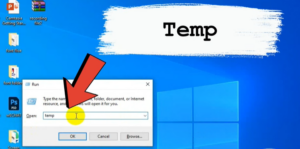
- Press Win + R, type
compmgmt.msc, and hit Enter - Search “Computer Management” in the Start Menu
📌 1. System Tools
🔄 Task Scheduler (Automate Tasks)
Create automated tasks like launching apps, running scripts, or sending emails (deprecated in newer Windows).
Steps to Create a Basic Task:
- Open Task Scheduler
- Click Create Basic Task
- Name the task (e.g., “Launch Edge at Startup”)
- Choose trigger: At startup, Daily, etc.
- Select action: Start a program
- Browse and select the application (e.g.,
msedge.exe) - Click Finish
💡 Pro Tip: Use Task Scheduler to run cleanup scripts (cleanmgr) weekly.
📊 Event Viewer (Diagnose System Errors)
Logs all system events—useful for troubleshooting crashes, app failures, and security audits.
How to Use:
- Go to Windows Logs > System / Application / Security
- Filter logs by Event ID (e.g.,
10016for DCOM errors) - Export logs for advanced diagnostics
🔎 Common Event IDs & Fixes:
- Event ID 41: Unexpected shutdown → Check power supply
- Event ID 1000: App crash → Reinstall the program
- Event ID 7023: Service failure → Restart the service
📂 Shared Folders (Network File Sharing)
Manage shared folders, active sessions, and open files.
How to Stop Sharing a Folder:
- Right-click the shared folder > Properties
- Go to Sharing tab > Advanced Sharing
- Uncheck Share this folder > OK
⚠️ Warning: Disabling shares may disrupt network users.
👥 Local Users and Groups (Manage Accounts & Permissions)
Create, modify, or disable user accounts and groups.
Create a New User:
- Go to Local Users and Groups > Users
- Right-click > New User
- Enter Username, Password, and settings
- Click Create
Add User to a Group (Admin, Power Users, etc.):
- Go to Groups
- Double-click Administrators
- Click Add > Enter username > OK
📈 Performance Monitor (Track System Health)
Monitor CPU, RAM, disk, and network usage in real-time.







Steps to Log Performance Data:
- Open Performance Monitor
- Click Data Collector Sets > User Defined
- Right-click > New > Data Collector Set
- Choose Create manually > Add counters (CPU, Disk, etc.)
- Set a schedule (e.g., log every 5 mins)
- Start logging
📌 Pro Tip: Use Resource Monitor (resmon) for live process tracking.
🖥️ Device Manager (Fix Hardware Issues)
Manage drivers and troubleshoot hardware problems.
Common Fixes:
- Yellow Exclamation Mark → Right-click > Update driver
- Device not working → Uninstall device > Scan for hardware changes
- USB not detected → Disable USB selective suspend in Power Options
🔧 Driver Rollback (If Update Causes Issues):
- Right-click device > Properties
- Go to Driver tab > Roll Back Driver
💾 2. Storage: Disk Management
Manage partitions, format drives, and extend volumes.
How to Extend a Partition:
- Open Disk Management (
diskmgmt.msc) - Right-click the C: drive > Extend Volume
- Select free space > Next > Finish
⚠️ Note: Requires unallocated space adjacent to the partition.
Fix “Disk 1 Unknown, Not Initialized” Error:
- Right-click the disk > Initialize Disk
- Choose MBR (for older systems) or GPT (UEFI)
- Right-click > New Simple Volume
⚙️ 3. Services and Applications
🛠️ Services (Manage Background Processes)
Start, stop, or disable services like Print Spooler, Windows Update, etc.
How to Restart a Service:
- Open Services (
services.msc) - Find the service (e.g., Print Spooler)
- Right-click > Restart
🔴 Critical Services to Know:
- Windows Update → Ensures system patches
- DNS Client → Resolves network names
- Windows Audio → Manages sound
🔍 Advanced Troubleshooting Tools
🛠️ System File Checker (SFC) – Fix Corrupted Files
sfc /scannow- If errors persist, run:
DISM /Online /Cleanup-Image /RestoreHealth🔎 CHKDSK (Check Disk for Errors)
chkdsk C: /f /r- /f → Fixes errors
- /r → Recovers bad sectors
🧹 Disk Cleanup (Free Up Space)
cleanmgr- Select Temporary files, Recycle Bin, Thumbnails
🖨️ Printer Troubleshooting Guide
- Restart Printer & PC
- Clear Print Queue (Open
services.msc> Restart Print Spooler) - Reinstall Drivers (Go to Device Manager > Printers > Uninstall)
- Check Default Printer (Settings > Printers)
- Run Printer Troubleshooter (Settings > Troubleshoot)
🌐 Network Troubleshooting
Fix “No Internet Access”
- Restart Router & PC
- Flush DNS →
ipconfig /flushdns- Reset TCP/IP →
netsh int ip reset- Check IP Configuration →
ipconfig /allWi-Fi Connected but No Internet?
- Run:
netsh winsock reset- Disable IPv6 in Network Adapter Settings
🚀 Speed Up a Slow PC
✅ Quick Fixes:
- Disable Startup Apps (Task Manager > Startup)
- Uninstall Bloatware (Settings > Apps)
- Run Disk Cleanup (
cleanmgr) - Defrag HDD (
dfrgui) - Upgrade to SSD
🔄 Reset Windows Without Losing Data
- Go to Settings > System > Recovery
- Click Reset this PC > Keep my files
- Follow prompts
⚠️ Backup data first!
🏷️ Tags
Windows 11 , Windows 10 , Tech Guide , Computer Management , Troubleshooting , PC Repair , IT Support , Windows Tips , Sys Admin , Tech Tips
📢 Final Notes
- Always backup data before making system changes.
- Use Safe Mode (
msconfig > Boot > Safe Boot) for deep troubleshooting. - Check Event Viewer for error details.