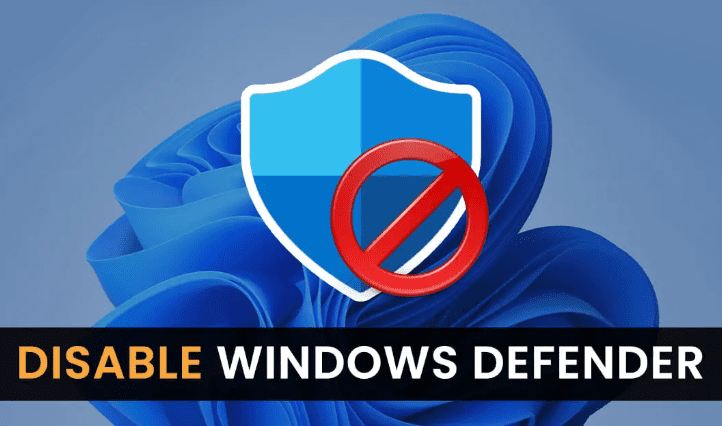
If you’re a Windows 11 user, you might have noticed that Windows Defender (now called Microsoft Defender Antivirus) is built right into the operating system. For most people, it’s a reliable, always-on solution for keeping malware at bay. However, there are certain situations where you may want to disable it—temporarily or permanently—such as when testing third-party antivirus software, troubleshooting system conflicts, or experimenting in a controlled lab environment.
In this guide, we’ll walk through the step-by-step process of disabling Windows Defender Antivirus using the Windows Registry Editor. We’ll also explain why this works, the risks involved, and alternative approaches if you don’t want to modify the registry.
⚠️ Important Disclaimer: Disabling your antivirus protection can expose your PC to malware, ransomware, and security threats. Only follow this tutorial if you understand the risks and have a reliable alternative security solution installed. If you’re doing this for testing, make sure you re-enable protection afterward.
1. Why Disable Windows Defender?
Before diving into the technical process, let’s consider the reasons why someone might want to turn off Windows Defender.
- Using Third-Party Antivirus
Many people install software like Bitdefender, Kaspersky, or Avast. Sometimes, Defender runs alongside these and causes conflicts. - Software Testing and Development
Developers may test apps or scripts that Defender falsely detects as malicious, leading to interruptions. - System Performance Tuning
On lower-end PCs, constant background scans may cause slowdowns. - Controlled Lab Environment
Advanced users experimenting with malware research or virtual machines often prefer having no antivirus interference.
While these are valid reasons, always remember: Defender is your default line of protection. Disabling it carelessly can leave your PC exposed.
2. Understanding the Registry Method
Windows stores many of its settings in a central database called the Registry. Think of it as the “blueprint” for how your system behaves. By editing the Registry, you can enable or disable hidden features—including Microsoft Defender.
The key change here is creating a new DWORD (32-bit) value under the Defender registry path that signals Windows to turn off the antivirus service.
This method is particularly useful because:
- It works even when the “Turn off Microsoft Defender” option is missing in the normal settings menu.
- It remains active across reboots until you reverse it.
3. Preparing Before Making Registry Changes
Let’s take a pause before jumping into editing. The Registry is powerful but unforgiving—wrong changes can harm your Windows installation. So preparation is key.
- Backup Your Registry
Open Registry Editor (regedit), go to File > Export, and save a backup of your full registry. - Create a System Restore Point
Search for Create a restore point in Windows Search, then select your system drive and click Create. - Ensure Administrator Rights
Registry changes require admin privileges. Make sure you’re logged into an administrator account.
Once you’ve done these safety steps, we can move on confidently.
4. Step-by-Step Guide: Disable Windows Defender via Registry
Now let’s carefully walk through the exact process. Don’t rush—follow one step at a time.








- Open Run Dialog
- Press Windows Key + R on your keyboard.
- This opens the Run box.
- Open Registry Editor
- Type
regeditand press Enter. - A User Account Control (UAC) prompt will appear; click Yes.
- Type
- Navigate to the Windows Defender Key
- In the left pane, expand the following folders one by one:
HKEY_LOCAL_MACHINESOFTWAREPoliciesMicrosoft
- Now, locate Windows Defender under Microsoft.
- In the left pane, expand the following folders one by one:
- Create a New Value
- Right-click on Windows Defender.
- Select New > DWORD (32-bit) Value.
- Name the Value Correctly
- Type:
DisableAntiSpyware - Note: The name is case-insensitive, but typing it exactly as above is recommended.
- Type:
- Assign a Value
- Double-click on the new entry.
- Set the Value data to
1. - Click OK.
- Close Registry Editor
- Exit the editor by clicking the X or selecting File > Exit.
At this point, you’ve told Windows that Defender should stay disabled.
5. Restarting and Confirming the Changes
Making registry changes isn’t enough—you need to restart your PC for them to take effect.
- Click on the Start Menu > Power > Restart.
- After reboot, check if Defender is disabled:
- Open Settings > Privacy & Security > Windows Security > Virus & Threat Protection.
- You should see that protection is turned off, or a warning that no antivirus is active.
If it still appears active, double-check that the registry value was created correctly.
6. Re-Enabling Windows Defender
Later on, if you want to restore Defender, it’s straightforward.
- Open Registry Editor again.
- Navigate back to the same key:
HKEY_LOCAL_MACHINE\SOFTWARE\Policies\Microsoft\Windows Defender - Delete the
DisableAntiSpywareentry, or change its value from1to0. - Restart your system.
Defender should now be active again.
7. Common Problems and Fixes
Sometimes users run into issues after editing the registry. Here are a few common ones:
- Problem: Registry changes don’t seem to work.
Fix: Make sure you restarted your PC. Also confirm that you created a DWORD (32-bit) value, not QWORD (64-bit). - Problem: Windows still blocks third-party antivirus.
Fix: Check Group Policy settings (gpedit.msc) if available, as these can override registry entries. - Problem: Accidentally deleted the wrong registry key.
Fix: Restore from the backup you created earlier or use System Restore.
8. Alternative Ways to Disable Defender
If editing the registry feels intimidating, there are other approaches:
- Using Local Group Policy Editor (Windows 11 Pro and Enterprise)
You can configure Defender settings under Computer Configuration > Administrative Templates > Windows Components > Microsoft Defender Antivirus. - Using Windows Security Settings
For temporary disabling, you can go to Settings > Virus & Threat Protection > Manage settings and toggle Real-time protection off. - Using Third-Party Tools
Some advanced system utilities allow controlling Defender more easily. Make sure you download them from trusted sources.
9. FAQs
Q1: Is it safe to disable Windows Defender permanently?
Not recommended. Unless you have another antivirus solution, you’re leaving your system vulnerable.
Q2: Can I just pause Defender instead of disabling it?
Yes, you can turn off real-time protection temporarily from Windows Security settings. It usually re-enables after a reboot.
Q3: What happens if I disable Defender but don’t install another antivirus?
Windows will often prompt you that no antivirus is active. You may also be blocked from accessing certain features (like downloading apps from Microsoft Store).
Q4: Will Windows Updates re-enable Defender automatically?
In some cases, yes. Major updates may reset registry changes, meaning you’ll need to redo the process.
10. Final Thoughts
Disabling Windows Defender via the Registry is a powerful but risky process. It gives you complete control, but at the cost of leaving your PC unprotected if you don’t have a backup plan. If you’re a developer, tester, or power user who needs this tweak, follow the steps carefully and always create backups first.
For most everyday users, it’s better to leave Defender running or simply install another antivirus that disables it automatically.
👉 If you still want to proceed, follow the guide above with caution and make sure your system remains secure through other means.
Tags
Windows 11, Windows Defender, Disable Antivirus, Registry Editor, System Security, Troubleshooting
Hashtags
#Windows11 #RegistryEditor #WindowsDefender #CyberSecurity #DisableAntivirus #TechTips