We’ve all heard the buzz lately: “YouTube is cracking down on AI content.” Creators everywhere were holding their breath, worried that their channels might suddenly become ineligible for monetization because of AI voices, AI editing tools, or fully generated videos.
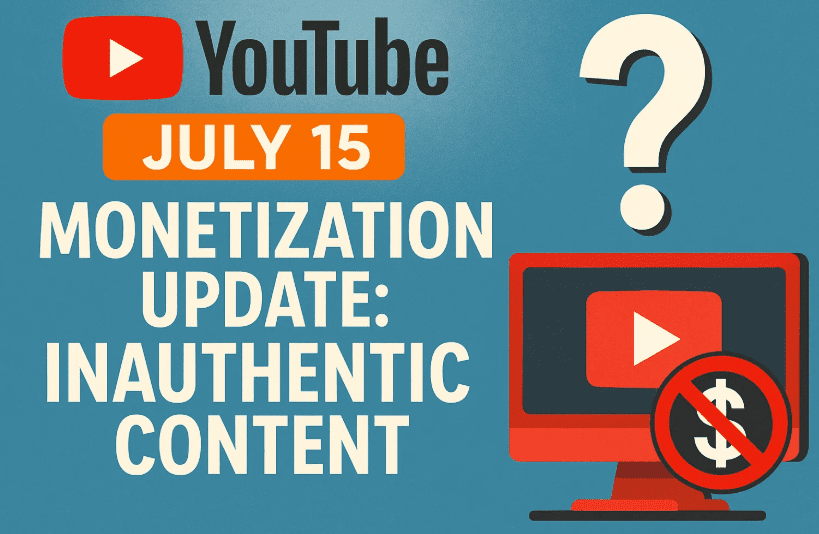
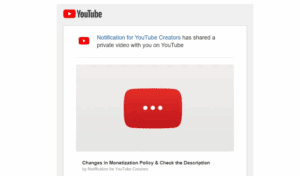
Well, the much-discussed YouTube Monetization Policy Update finally landed on July 15, 2025, and let me be honest with you: It’s a whole lot of… not much.
Let’s break it down with real insight, common sense, and step-by-step analysis of what has actually changed, what hasn’t, and what you should do as a creator using AI tools responsibly.
🧭 So, What Actually Changed?
To keep things in perspective, YouTube made a very minor tweak to its monetization policies.
Here’s the official summary:
“We’re updating our Repetitious Content policy to better clarify that it includes content that is repetitive or mass-produced. We’re also renaming this policy to Inauthentic Content.”
That’s it.
Let’s take a breath before we jump to conclusions. We’ve done a good job keeping up so far—so let’s move to the fine details next.
🔄 “Repetitious Content” Is Now “Inauthentic Content”
Previously, YouTube had a section in its monetization guidelines called Repetitious Content. As of July 15, 2025, it’s been renamed to Inauthentic Content, which includes:
- Mass-produced videos with little to no originality
- Repetitive content offering minimal viewer value
- Narratives or commentary with low educational value
But here’s where things get interesting. A small but notable change was the removal of the word “mindless” from the guidelines.
It used to say:
“…similar repetitive content or mindless content with low educational value…”




Now it says:
“…similar repetitive content or content with low educational value…”
This slight word change may not seem like much, but it reflects how delicately YouTube wants to define “low-quality” content without boxing themselves into strict enforcement standards.
🤖 What About AI Content? Is It Banned or Limited?
This is the part everyone is worried about. So, let’s get this clear.
YouTube has not banned AI-generated content.
Here’s what YouTube officially said in their Monetization Q&A:
“We welcome creators using AI tools to enhance their storytelling, and channels that use AI in their content remain eligible for monetization. However, creators must disclose when content is altered or synthetic, especially if it could mislead viewers.”
That’s the real takeaway.
YouTube isn’t coming after:
- Text-to-speech channels
- AI avatars
- AI-generated B-roll or visuals
- AI-assisted editing
As long as you’re creating original content and not misleading your audience, you’re fine.
🧠 What Is Synthetic or Altered Content Disclosure?
Let’s walk through this part, because it’s crucial for creators using AI-generated scenes or dialogue.
Whenever you upload a video on YouTube now, there’s a new prompt under the video details page labeled:
Altered or Synthetic Content
If your video includes:
- Deepfakes
- AI-generated reenactments of real events that didn’t happen
- AI voices impersonating real people
- Synthetic edits meant to mislead
…then you must disclose it.
But don’t worry—YouTube clearly states that disclosure won’t reduce your reach or ad eligibility. It’s about transparency, not censorship.
👉 Learn more on YouTube’s Help Center about this here:
https://support.google.com/youtube/answer/13862759
🧐 TL;DR: Is AI Still Safe for Monetization?
Let’s summarize the current status:
| Concern | Reality |
|---|---|
| AI voiceovers banned? | ❌ No. Still allowed. |
| Using AI tools disqualifies monetization? | ❌ No. Allowed and welcomed. |
| YouTube punishing “AI slop”? | 🚫 Not directly. Only mass-produced or repetitive content that adds no value is being reviewed. |
| Using deepfakes or misleading edits without disclosure? | ⚠️ Yes, this can violate policies. Disclosure is required. |
❓ Frequently Asked Questions
Q1. Will using AI in my videos get me demonetized?
No, as long as your content is original, adds value, and doesn’t violate YouTube’s inauthentic content policy.
Q2. Is text-to-speech narration still allowed?
Yes, YouTube hasn’t made any changes targeting TTS. It still qualifies for monetization as long as it’s not repetitive or spammy.
Q3. What kind of AI content will get demonetized?
- Copy-pasted or mass-replicated videos across channels
- Misleading synthetic media (deepfakes) not labeled as altered
- Mindless spam content offering no viewer value
Q4. Is disclosure mandatory for all AI use?
No. Disclosure is only required if the AI content:
- Alters reality (falsely presents people/events)
- Could be confused with real-world news or actions
Q5. Will AI content dominate YouTube in 2025?
Not necessarily. YouTube is still prioritizing viewer value, originality, and context, regardless of how the content was made.
💬 Final Thoughts: Was the Panic Warranted?
Honestly? Not really.
The July 15th, 2025 update made headlines for being a major policy shift against AI, but the actual text changes were minimal. YouTube simply reworded a few lines, renamed a section, and emphasized authenticity and value—as they always have.
There’s no apocalypse for AI creators. There’s no ban on AI-generated voices or visuals. If you’re creating honest, engaging, and useful content—even with the help of AI tools—you’re safe.
Let’s keep creating smarter, not just harder.
⚠️ Disclaimer
This article is based on YouTube’s monetization policy update as of July 15, 2025. Policies may evolve. Always refer to the official YouTube monetization policy page for the latest terms. We do not represent YouTube and this guide is for educational purposes only.
🏷️ Tags & Hashtags
Tags:
YouTube monetization policy 2025, AI content YouTube, inauthentic content YouTube, repetitive content monetization, synthetic media disclosure, YouTube AI guidelines
Hashtags:
#YouTubeUpdate #AICreators #MonetizationPolicy #InauthenticContent #SyntheticMedia #YouTubeTips #ContentCreators
If this article helped ease your fears about AI content and monetization, feel free to share it with other creators. Let’s stay informed, stay creative, and continue to evolve together in the AI-powered creator world.