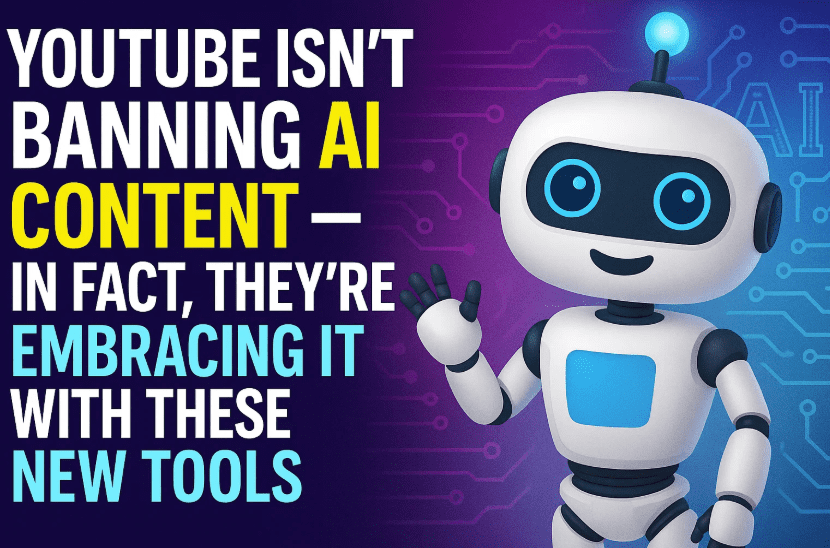
In recent weeks, a wave of panic has swept through the creator community. With a cryptic policy teaser and updates about “authentic” content, many feared that YouTube was preparing to crack down on AI-generated videos. Some even claimed that monetization would only apply to “real voices” and “original content” starting July 15. But was there any truth to this? The reality may actually surprise you.
In this article, we’ll walk you through YouTube’s updated monetization policies, debunk the myth of mass AI demonetization, and explore the very AI tools YouTube itself is rolling out to help creators—not punish them. This isn’t just an update—it’s a statement. Let’s dive into the details and see how AI and human creativity are blending more than ever on YouTube.
So, What Was the Big Scare All About?
To begin, let’s set the context. A few weeks back, YouTube dropped a teaser about upcoming changes to its monetization policies. The phrase that triggered alarm bells was “original and authentic content.” That’s when posts began circulating on social media warning creators that only “real voices” and human-made content would be eligible for monetization going forward.
Creators feared that the use of AI—whether for scripting, voicing, or visual effects—could get their channels demonetized or even removed from the YouTube Partner Program.
But what actually happened on July 15?
Let’s Look at the Actual Policy Update
The monetization update was not a drastic overhaul. In fact, it was subtle. YouTube replaced the term “repetitious content” with “inauthentic content” in their existing guidelines.
Here’s what’s important:
- The updated policy still targets content that lacks original commentary, has minimal educational value, or is overly repetitive.
- There was no explicit mention of AI-generated content being banned or demonetized.
- YouTube continues to assess monetization eligibility based on the value and engagement your content brings—not the tools used to create it.
So, does this mean AI is completely off the hook? Not quite—but it’s not being banned either.
YouTube’s Own AI Tools Tell a Different Story
Now, here’s the most telling part. Just eight days after the monetization update, YouTube published a blog post titled “Unlock next-level Shorts with new creation tools”. And guess what? These new tools are powered by—you guessed it—AI.
Let’s go through them one by one, because this section is truly eye-opening.
📸 Transform Photos into Videos
YouTube now offers a feature where you can turn a static photo from your phone into a fully animated short video. This isn’t just a simple slideshow—this is AI in action.






- What it does: Converts a still image into a moving video, complete with transitions, effects, and music.
- Why it matters: These are AI-generated moving visuals, not real-world footage—yet they are being encouraged by YouTube.
Would YouTube penalize creators for using tools they built themselves? That wouldn’t make sense. This confirms that AI content, when used creatively, is not in violation of any monetization policy.
🎨 Generative Effects for Doodles and Selfies
This is where things get really fun—and very AI-forward.
YouTube is introducing generative visual effects that can:
- Transform your rough doodles into polished, animated visuals.
- Turn your selfie into themed video styles like swimming underwater or “twinning” with a sibling lookalike.
These tools are powered by generative AI models, and they’re already rolling out in regions like the US, Canada, New Zealand, and Australia.
Later this year, these tools will evolve from V2 to V3, adding the ability to blend AI-generated audio and video together.
🎥 From Prompts to Vlogs—AI’s Real Power on YouTube
The V3 version of these tools, according to YouTube’s roadmap, will allow creators to blend video prompts with generated visuals and sounds—just like the recent wave of AI-powered vlogs gaining popularity across Shorts and TikTok.
Imagine being able to:
- Type a short script or prompt.
- Instantly generate a themed vlog complete with voice, visuals, and transitions.
- Monetize it like any other Short—because it’s original in execution, even if the tools are AI-assisted.
This is not speculation. This is where YouTube is officially headed.
But Where’s the Line? When AI Could Lead to Demonetization
Okay, so YouTube isn’t banning AI. But does that mean anything AI-generated is safe? Not quite.
Let’s clarify the real concern YouTube has, as hinted in their updated policy.
Here are some examples of when AI content might cross the line:
- Uploading multiple AI-generated videos that look almost identical.
- Using the same template and audio repeatedly with minimal variation.
- Creating “slop content” that offers no real value, entertainment, or engagement.
In essence, YouTube cares more about the intent and quality behind the content than whether it was made with AI.
So far, we’ve done a good job breaking down the fears and clarifying YouTube’s stance. Now, let’s move on to a bigger question…
🤔 Why Is YouTube Investing So Heavily in AI Tools?
The answer lies in a quote from YouTube CEO Neal Mohan, who made this clear in his Big Bets for 2025:
“AI has long been a part of our journey—from powering recommendations to producing captions to helping us identify and remove harmful content. As we look ahead, we’ll continue investing in AI tools that empower creators and artists throughout their creative journey.”
It’s not just a policy decision. It’s a platform-wide philosophy. YouTube wants creators to:
- Spend less time editing manually.
- Focus more on storytelling and creative direction.
- Leverage tools that help them scale and stay competitive.
And yes, YouTube will still pay for AI-assisted content as long as it doesn’t cross the “inauthentic” line.
🚫 The Real Threat: Automation Without Oversight
While YouTube isn’t demonetizing AI content en masse, they are watching closely for bad actors who misuse automation.
Here’s what they are likely monitoring:
- Fully automated channels that post 100% AI-generated content without any human review.
- Spammy or misleading videos that impersonate others or recycle content endlessly.
- Use of AI tools to spread misinformation or violate community guidelines.
Creators who rely entirely on AI without injecting any human effort, curation, or creativity into the process are at the highest risk of demonetization.
So, Are AI Content Channels Safe on YouTube?
Let’s answer that head-on.
Q: Will AI channels be demonetized just because they use AI?
A: No. As long as your content is valuable, creative, and doesn’t feel repetitive or deceptive, you’re in the clear.
Q: Are YouTube’s policies against AI content?
A: Not at all. They’re actively building AI tools for you to use and monetize.
Q: What types of AI content are most at risk?
A: Repetitive, low-effort, auto-generated videos that offer no real value or unique perspective.
Q: Can I create Shorts using YouTube’s AI tools and still earn from them?
A: Yes—and that’s the whole point. YouTube is giving you tools to create AI-assisted content they support and monetize.
Final Thoughts: Human + AI = The Future of YouTube
In summary, the creator community can breathe a little easier. YouTube’s policies aren’t aimed at punishing you for using AI—they’re designed to prevent misuse and abuse.
If you’re using AI as a tool—not a crutch—you’re not just safe, you’re encouraged.
These updates show us that YouTube is not shutting the door on AI content. Instead, they’re building the tools to make it better, faster, and more creative than ever before.
So keep experimenting. Stay creative. And most importantly, add your unique human touch—because that’s what makes your content stand out, no matter what tools you use.
Tags:
youtube monetization, ai content on youtube, youtube shorts ai tools, original content policy, ai video tools, youtube partner program, creator monetization update, neil mohan youtube, generative ai, ai content policy
Hashtags:
#YouTubeUpdate #AICreators #YouTubeMonetization #AIContent #ShortsTools #ContentCreation #YouTubePolicy #GenerativeAI #NealMohan #YTPartnerProgram