There are days when technology simply behaves in ways we don’t expect, and this was one of those days. Imagine switching on your laptop, checking for updates out of habit, and suddenly being told that a feature update — Windows 11 version 25H2 — is ready for installation.
That would be normal, except for one important detail:
You’re already running Windows 11 25H2.
This situation feels surprising, unnecessary, and a bit confusing. But it’s also happening to more people than you might think. If this has appeared on your machine, especially with install error 0x8007042b, you’re not alone.
Let’s walk through this phenomenon step by step, understand why Windows behaves this way, explore what the error actually means, and discuss what you can safely do about it.
1. The Moment the Update Appears — And Why It Feels So Strange
Let’s begin with the experience itself. You open Windows Update, perhaps on a gaming laptop or a secondary machine, and suddenly you see this line:
Windows 11, version 25H2 — available for installation
Normally, this message appears only when you are upgrading from 23H2 or an earlier release.
But here, the update is appearing on a system that already has 25H2 installed.
You click “Download and Install” out of curiosity or caution.
Windows begins the process.
The progress bar moves slowly but steadily — 10%, 20%, 30%…
And then, without warning, the system displays a familiar but frustrating message:
“Undoing changes made to your PC…”
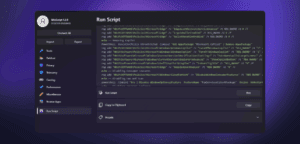





Moments later, Windows boots back into the exact same version you were already running: 25H2.
If this sounds familiar, you’re experiencing the same odd bug many users have recently reported.
2. Understanding Why Windows Offers 25H2 Again
To understand the issue, we need to look at how Microsoft delivers feature updates.
Each big update (like 25H2) is actually made up of:
- An enablement package
- Additional servicing stack updates
- Small compatibility patches
- Hardware-specific components
- And certain “micro-updates” that behave like full upgrades but are not full OS reinstallations
When Windows thinks one of these components is missing, corrupted, or mismatched, it sometimes makes a wrong assumption:
“You need the full 25H2 update again.”
This is why your machine sees 25H2 as a new update even when it’s already installed.
Interestingly, this doesn’t happen on all devices. Your main PC, for example, may behave normally, while your gaming laptop triggers the duplicate update. This difference suggests that:
- A specific driver
- A particular hardware component
- A missing compatibility module
- Or a cached update entry
may be causing Windows Update to misinterpret the system state.
3. The Error Code: Understanding 0x8007042b
When the installation finally fails, many users see:
Error 0x8007042b
This error typically appears during:
- Partial feature updates
- Corrupted update packages
- Mismatched enablement components
- Or failed compatibility checks
On a system that already has 25H2, the error is actually expected — because the installer eventually realizes:
“The update you’re trying to install is already active on this device.”
So instead of completing the installation, Windows reverses the process and returns you to your current working state.
This is why the rollback happens at around 20–30% every time.
4. Why Only One of Your Machines Shows This Issue
Here’s where the situation becomes more interesting.
You might have two machines — a main PC and a gaming laptop.
Both are on Windows 11 25H2.
But only one of them offers the duplicate update.
This typically indicates:
- Hardware-specific update bundles
- Driver-dependent features
- OEM customizations
- Or device-specific Windows Update metadata
Gaming laptops, in particular, have more specialized components:
dedicated GPUs, OEM audio enhancements, custom BIOS settings, and vendor-specific management software.
Any of these can trigger a false “update required” message.
Meanwhile, a standard desktop or productivity PC with fewer vendor-level modifications might not face this problem.
5. Why the Installation Process Takes So Long Before Failing
Another unusual part of the experience is the amount of time the update process takes — sometimes 20 minutes or more before eventually failing.
This happens because:
- The update is not a tiny file — it is a full feature update package.
- Windows begins preparing your system as if it is upgrading from an earlier version.
- The installer only detects the conflict when it reaches a deeper compatibility stage.
- At around 20–30%, the system realizes the update is unnecessary or incompatible.
- Then, it begins rolling everything back.
So while it may feel like a new update is installing, the system is essentially running through checks and eventually correcting itself.
6. What You Can Do (Safe Options)
This issue is not harmful, but it is irritating.
Here are the safest ways to handle it:
1. Let Windows Update fix itself in future patches
Microsoft often resolves such issues silently through cumulative updates.
2. Clear the Windows Update cache (SoftwareDistribution folder)
This removes corrupted metadata and prevents repeated update offerings.
3. Use Microsoft’s “Show or Hide Updates” troubleshooter
This allows you to hide the unwanted 25H2 reinstallation attempt so it won’t return.
4. Wait for the next preview update or Patch Tuesday
Upcoming updates often override old metadata and correct the version mismatch.
None of these steps harm your system, and they prevent unnecessary installation cycles.
7. Important Disclaimer
Disclaimer:
Avoid forcing the 25H2 update again through manual ISO installation, Update Assistant, or third-party tools if your system already displays version 25H2 in Settings. Forcing upgrades when the OS is already at the target version may lead to unexpected system behavior or data loss.
Let Windows Update handle the situation through normal servicing.
8. Final Thoughts
This odd situation — Windows trying to reinstall a feature update you already have — is a reminder that even the most polished systems can behave unpredictably.
The good news is that this issue is harmless, temporary, and already widely recognized among Windows users. The presence of error 0x8007042b is simply a sign that the system realized the update was duplicate and safely rolled it back.
If it continues appearing on your gaming laptop or secondary device, you can safely hide the update until Microsoft corrects the metadata. But in most cases, future cumulative updates will resolve the glitch automatically.
Technology may surprise us, but understanding the story behind the behavior often removes the fear and brings clarity.
#Windows11 #25H2 #UpdateError #0x8007042b #WindowsUpdateBug #dtptips