The tech world is buzzing with major updates: Windows 10 gets extended support, Intel teases a budget-friendly GPU, and Nintendo tightens control over the Switch 2. Here’s everything you need to know.

1. Windows 10 Gets Extended Security Updates (ESU) Beyond 2025
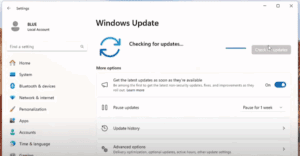
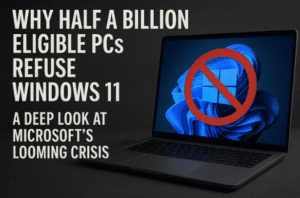
Microsoft has officially announced that Windows 10 will receive Extended Security Updates (ESU) after its end-of-support date (October 14, 2025)—giving users more time to transition to Windows 11.
Key Details:
✅ Who Can Get It?
- Businesses: $61 per device (first year), doubling each subsequent year (3-year max).
- Consumers: One-year option for $30 (no word on multi-year plans yet).
✅ What’s Included?
- Critical security patches only (no new features or bug fixes).
- Office 365 support extended until 2028 (if enrolled in ESU).
⚠️ Limitations:
- No technical support from Microsoft.
- Requires enrollment (process TBA).
🔹 Why This Matters:
- Many users (and businesses) still rely on Windows 10 due to Windows 11’s strict hardware requirements.
- ESU provides a temporary lifeline, but Microsoft still wants users on Windows 11.
Should You Upgrade?
- If your PC supports Windows 11, consider switching.
- If not, ESU is a short-term fix, but eventually, an upgrade will be necessary.
2. Intel’s Battlemage GPU: A Budget Gamer’s Savior?
Rumors suggest Intel’s upcoming ARC B770 GPU could shake up the mid-range market, offering Nvidia and AMD some much-needed competition.
Leaked Specs:
- 32 Xe Cores
- 16GB–24GB GDDR6 VRAM (Take notes, Nvidia!)
- TSMC 5nm process (More efficient than last-gen 6nm)
🔹 Expected Competition:
- Nvidia RTX 4070
- AMD RX 7700 XT
✅ Potential Pros:
- Affordable pricing (Unlike Nvidia’s inflated costs).
- Better VRAM allocation (A major win for gamers).
⚠️ The Catch:









- Possible delays—some reports say production isn’t ready yet.
- Intel’s driver support history is still shaky.
Should You Wait?
If you’re in the market for a mid-range GPU, keeping an eye on Intel’s launch could save you money.
3. Nintendo Switch 2’s Controversial Anti-Modding Policy
Nintendo has updated its End User License Agreement (EULA) for the Switch 2, introducing harsh anti-modding measures.
What’s Changing?
- Bricking Consoles Remotely: If Nintendo detects modding, hacking, or unauthorized software, they can disable your Switch 2—even offline.
- No Ownership Rights: The console only grants a license to play, meaning Nintendo can revoke access anytime.
🔹 Why This Is Problematic:
- Kills the modding/homebrew community (No emulators, custom themes, etc.).
- Risk of false bans (What if Nintendo’s detection is wrong?).
- Consumer rights clash (Europe may block this policy).
Should You Buy a Switch 2?
If you value ownership and customization, this could be a dealbreaker. Nintendo’s increasingly anti-consumer policies may push gamers toward alternatives like Steam Deck or ASUS ROG Ally.
Final Thoughts
- Windows 10 ESU is a temporary fix—plan your upgrade.
- Intel’s ARC B770 could be a game-changer if priced right.
- Nintendo’s Switch 2 policy is anti-consumer—vote with your wallet.
Tags:
Windows 10 ESU, Intel ARC B770, Nintendo Switch 2, GPU news, PC gaming
Hashtags:
#Windows10 #IntelGPU #NintendoSwitch2 #PCGaming #TechNews
Disclaimer:
- Windows ESU pricing may change.
- Intel GPU specs are based on rumors.
- Nintendo’s policy enforcement may vary by region.
What do you think? Will you stick with Windows 10, wait for Intel’s GPU, or skip the Switch 2? Let us know in the comments! 🚀