Search engine optimization (SEO) isn’t what it used to be. Businesses that once dominated Google search results are now watching their traffic plummet. Why? Because SEO has fundamentally changed—but most companies are still optimizing for a version of search that no longer exists.

In this article, we’ll break down the major shifts in how search engines—and users—are evolving in 2025, and more importantly, we’ll show you how to adapt your digital strategy to not only survive but thrive.
The Death of Traditional SEO
Just a few years ago, ranking in the top three results on Google meant a flood of leads and traffic. Businesses invested thousands into SEO firms promising those coveted spots. But now?
Even ranking number one doesn’t guarantee visibility.
Here’s what a typical Google search looks like in 2025:
- AI-generated answers at the top
- YouTube videos
- Reddit threads
- “People also ask” boxes
- Ads (sometimes several before any organic link)
By the time your link appears, the user may have already found their answer. You’re essentially buried beneath layers of distractions.
The Real Shift: AI Is Becoming the New Search Interface
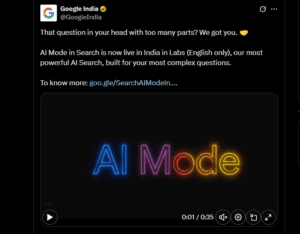
People are tired of digging through websites. They want direct, personalized answers. That’s why tools like Perplexity and ChatGPT are exploding in popularity.
These AI-powered assistants analyze content across the web and serve recommendations—not just answers. For example, ask Perplexity “best pool builders in Austin,” and it returns three curated companies, complete with explanations for each choice.
So the question becomes:
Is your business showing up as the recommended choice in these AI-generated responses?
Introducing GEO: Generative Engine Optimization
GEO is the future of SEO. It’s about optimizing your business for AI recommendation engines, not just traditional search engines.



Why AI Recommendations Work Differently:
Unlike traditional Google SEO, where stuffing in keywords could get you to the top, AI looks for:
- Consistency
- Proof of expertise
- Real-world customer validation
- Clear and specific language
5 Strategies to Get AI to Recommend Your Business
1. Make Your Messaging Crystal Clear
Your website should instantly communicate:
- What you do
- Who you help
- Why you’re different
Avoid vague marketing lingo. Instead, talk like a human. For example:
❌ “We partner with growing businesses to streamline operations.”
✅ “We help small law firms save 10+ hours per week by automating their client intake process.”
When AI understands your service, it can recommend you accurately.
2. Build a Strong Digital Reputation
AI doesn’t just read your website—it analyzes the entire web. That includes:
- Directory listings
- Mentions in articles or blogs
- Consistency across platforms
Make sure you’re described similarly across the board, and aim for visibility on credible sites.
3. Use AI-Optimized Press Releases
Leverage press release distribution platforms like Brand Featured to publish content across hundreds of websites.
Here’s how:
- Start with a compelling case study
- Use an AI tool (like Claude) to convert it into a well-structured press release using a tailored prompt
- Distribute it through a reputable PR service
Every mention helps train AI tools on why you should be recommended.
4. Create Listicle Content—With You at the Top
Write blog posts like:
“Top 5 Marketing Agencies for Startups in [Your City]”
And list yourself as #1—with honest, detailed comparisons.
Yes, it may feel self-promotional, but for now, this tactic is highly effective. Just ensure your list is informative and fair.
5. Collect and Optimize Reviews
AI tools heavily weigh reviews in their recommendations. But not all reviews are created equal.
Ask customers for detailed, result-focused testimonials, such as:
“We increased our monthly leads by 50% after working with [Company Name].”
Gather reviews on:
- Yelp
- Industry-specific platforms
- Social media
Every detailed review helps strengthen your AI profile.
Why YouTube Is Your Secret SEO Weapon
Google might be fading, but YouTube is rising. It’s not just the second-largest search engine anymore—it’s becoming the primary place where users look for real, human advice.
Why YouTube Works in 2025:
- Less AI interference
- Better quality control
- Visual trust-building
- Higher lead quality
When someone watches several of your videos, they feel like they know and trust you—which means your lead quality skyrockets.
And bonus: YouTube videos also show up in Google search results, giving you double exposure.
What Kind of YouTube Content Works?
Start with FAQs your clients ask you every day. Turn those into videos. Examples:
- “How much should I charge for freelance web design in 2025?”
- “Who should I hire first in my startup?”
Use the exact question as your video title and repeat it in the video description. This signals relevance to YouTube’s algorithm.
Once you’ve nailed FAQ content, move to how-to guides, such as:
- “How to start investing in your 30s”
- “How to scale a service business with no team”
No clickbait needed—just deliver the knowledge people are actually searching for.
But What About Local SEO?
Ranking in local map listings is a whole different game. If you want to rank across your entire service area—even in towns where you’re not physically located—you need a specialized local SEO strategy.
(We’ll cover that in a separate article—stay tuned!)
Final Thoughts
Traditional SEO is becoming less effective by the day. But this isn’t the end—it’s a new beginning for smarter, more authentic online visibility. If you can align your content, reviews, and reputation with what AI is actually looking for, you’ll not only survive this shift—you’ll lead it.
Tags:
SEO 2025, AI SEO, Generative Engine Optimization, traditional SEO vs AI, local SEO tips, YouTube SEO, ChatGPT marketing, AI content marketing, small business SEO, how to get leads online, YouTube for business
Hashtags:
#SEO2025 #AISEO #GenerativeEngineOptimization #YouTubeMarketing #DigitalMarketingTips #SmallBusinessGrowth #AIContentStrategy #ContentMarketing #LocalSEO #YouTubeForBusiness
Disclaimer:
This article is intended for educational purposes only. Results from AI-based optimization strategies may vary depending on industry, market conditions, and implementation accuracy. Always conduct your own research or consult with a marketing expert before making major changes to your strategy.