For decades, Microsoft and Windows have been nearly synonymous. The Windows operating system, known for its user-friendliness and affordability, became a global standard in both personal and professional computing. From Windows XP to Windows 11, we’ve come to expect a new version of Windows every few years. But since the launch of Windows 11, nearly four years have passed without any official announcement of Windows 12. So what happened? Why the delay—and does it even matter anymore?
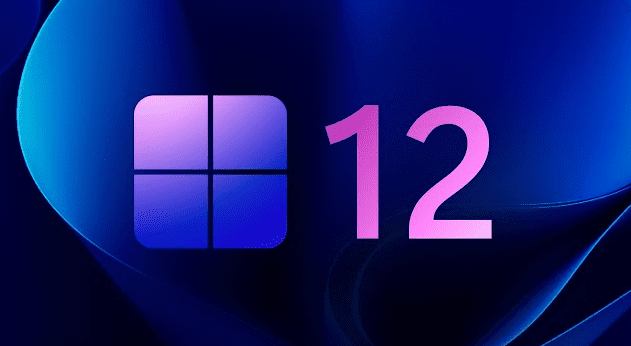
In this article, we explore Microsoft’s changing priorities, the decline in the importance of new operating systems, and how Microsoft transformed itself from a Windows-focused company to a cloud-first powerhouse.
Why Windows 12 Was Delayed
1. Creating a New OS Is No Small Task
Building a new operating system is a monumental task that requires:
- Years of development
- Rigorous testing
- Endless optimization
Even for a tech giant like Microsoft, it’s a time- and resource-intensive process. The catch? Technology evolves so quickly that by the time a new OS is ready, it risks being obsolete. A rushed release can lead to underwhelming features, bugs, and a poor user experience.
2. Marketing and Manufacturer Partnerships Take Time
Each new version of Windows requires massive marketing campaigns, coordination with PC manufacturers (like HP, Dell, Lenovo), and customer education. That’s a lot of effort for a product that may not even boost profits significantly. Most users today don’t purchase Windows separately; they simply get it pre-installed on their laptops and desktops.
3. Hardware Outlives Software
Unlike previous decades, modern computers last longer, and so do operating systems. People aren’t rushing to upgrade OS versions anymore. Instead, they wait until they need a new device. Microsoft recognized this and started focusing on refining existing systems rather than releasing new ones.
Windows: No Longer Microsoft’s Centerpiece
4. Most Windows Revenue Comes from OEM Deals
Microsoft makes most of its money from selling Windows licenses to computer manufacturers, not individuals. Gone are the days of buying Windows CDs from electronics stores.
5. Maintenance Over Reinvention
Windows 11 receives continuous updates for performance and security. Instead of launching a whole new system, Microsoft updates and optimizes what already works—saving billions in development and support costs.
The Big Shift: From Windows to the Cloud
6. Microsoft’s Stagnant Phase
After the dot-com boom, Microsoft’s stock price and revenue growth flattened for about 15 years. While companies like Apple, Amazon, and Google reinvented themselves and captured new markets, Microsoft stuck with the old playbook—selling operating systems and office software.
7. The Satya Nadella Era
In 2014, Satya Nadella became CEO and changed Microsoft’s direction completely. He realized:
- The future wasn’t in software alone, but in services and infrastructure.
- Microsoft was losing ground in critical areas like mobile, email, and search.
Nadella made the bold move to:
- Shut down the mobile division.
- Slow down major Windows development.
- Focus on cloud computing.
8. Windows 10: The Turning Point
Launched in 2015, Windows 10 was offered as a free upgrade to Windows 7 and 8 users. This allowed Microsoft to:









- Quickly phase out outdated systems.
- Redirect engineering and support resources to the cloud.
- Reduce costs and increase user satisfaction.
A Subscription-Driven Future
9. The Office 365 Strategy
Microsoft shifted its flagship Office software to a subscription model, Office 365, priced at $70 per year. This strategy worked exceptionally well:
- Most individuals didn’t pay directly; companies and institutions did.
- It ensured a steady and predictable revenue stream.
Unlike Google’s free tools, Microsoft Office 365 offered premium features and enterprise-level integration.
10. Cloud First, Not Consumer First
Today, Microsoft is:
- The second-largest cloud provider globally, just behind Amazon Web Services.
- A dominant player in enterprise software through Office 365 and LinkedIn.
- Less reliant on personal computing revenue, which now forms the smallest part of its business.
So, Why No Windows 12 Yet?
The answer is simple: Microsoft no longer needs to release a new operating system to stay on top. Their core revenue now comes from:
- Enterprise cloud services
- Business software subscriptions
- Licensing agreements
They’re no longer a “consumer-first” company. Instead, their aim is to provide stable, efficient, and long-term solutions for corporate clients, governments, and institutions. And that approach has been paying off, as seen by their soaring stock prices.
Is Windows 12 Even Coming?
While Windows 12 isn’t off the table, Microsoft isn’t in a rush. The only compelling reason for a major OS refresh would be a true generational leap in technology, such as AI integration or dramatic improvements in computing interfaces. Until then, expect Windows 11 to keep getting better through regular updates—quietly, efficiently, and with minimal disruption.
Final Thoughts
Microsoft’s evolution over the past decade is a textbook example of corporate reinvention. By embracing the cloud and rethinking its priorities, it has positioned itself not just to survive the next wave of tech transformation—but to lead it.
If you’re wondering why you haven’t heard about Windows 12 yet, now you know—it’s not a delay, it’s a strategy.
Tags: Microsoft, Windows 12, Windows 11, Office 365, Microsoft Cloud, Satya Nadella, Microsoft Strategy, Cloud Computing, Windows Update, Operating System, Microsoft Business Model
Hashtags: #Microsoft #Windows12 #Windows11 #Office365 #CloudComputing #SatyaNadella #TechStrategy #Microsoft365 #OperatingSystem #BusinessTransformation