Windows Sandbox is a lightweight, temporary virtual environment designed for safely running untrusted applications or opening suspicious files without risking your main Windows installation. It is included as an optional feature in Windows 10 Pro, Enterprise, and Windows 11 Pro, Enterprise, starting from version 1903.
This guide will walk you through everything you need to know about Windows Sandbox — from what it is and why you should use it, to how to enable and configure it for safe and secure testing.
🧰 What is Windows Sandbox?
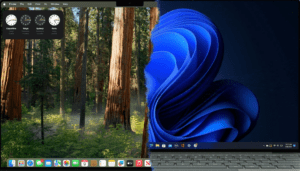
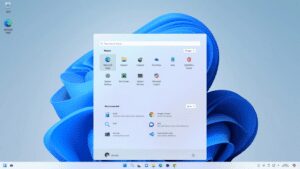
Windows Sandbox creates an isolated, disposable desktop environment. Think of it as a virtual Windows session running inside your current system, but it’s completely separate. Any changes made in the Sandbox are not saved to your actual system and are discarded once you close it.
🔒 Key Features:
- Safe environment for testing files/apps
- Runs like a virtual machine (VM) but without the heavy setup
- Fully disposable — every launch is a fresh instance
- Built-in with Windows 10/11 Pro and Enterprise editions
🖥️ System Requirements for Windows Sandbox
Before you enable Sandbox, ensure your system meets the following requirements:
- Windows 10/11 Pro or Enterprise
- AMD64/Intel64 architecture
- Virtualization enabled in BIOS/UEFI
- At least 4GB of RAM (8GB recommended)
- At least 1 GB of free disk space
- 2 CPU cores (4 with hyperthreading recommended)
To check virtualization support:
- Press
Ctrl + Shift + Escto open Task Manager - Go to the Performance tab
- Look for Virtualization: Enabled under CPU details
🛠️ How to Enable Windows Sandbox
✅ Step-by-Step (Windows 10/11 Pro & Enterprise):
- Press
Win + Sand search for Turn Windows features on or off. - Scroll down and find Windows Sandbox.
- Check the box next to it.
- Click OK and let Windows install the required files.
- Restart your computer when prompted.
🟢 Launching Windows Sandbox:
- Press
Win + Sand type Windows Sandbox. - Click to open. It will launch a clean and isolated Windows environment.
🧩 How to Use Windows Sandbox
- Drag and drop files into the sandbox window to test them.
- Install software, run apps, open email attachments — all in isolation.
- Once you close the Sandbox, everything inside it is permanently deleted.
🧠 Advanced: Configure Windows Sandbox with a Configuration File (.wsb)
You can customize the behavior of Windows Sandbox using a .wsb configuration file.
✅ Create a Custom .wsb File
- Open Notepad.
- Paste the following sample configuration:
<Configuration>
  <MappedFolders>
    <MappedFolder>
      <HostFolder>C:\Users\YourUsername\Desktop\SandboxFiles</HostFolder>
      <ReadOnly>true</ReadOnly>
    </MappedFolder>
  </MappedFolders>
  <LogonCommand>
    <Command>cmd.exe</Command>
  </LogonCommand>
</Configuration>
- Save the file with a
.wsbextension, for example:CustomSandbox.wsb. - Double-click the file to launch a customized Windows Sandbox session.
🔧 Configurable Options:
| Feature | XML Tag | Description |
|---|---|---|
| Mapped folder | <MappedFolders> | Share a host folder with the sandbox |
| Read-only access | <ReadOnly> | Set folder as read-only |
| Startup command | <LogonCommand> | Run command automatically at startup |
| Networking | <Networking> | Enable or disable internet |
| VGPU | <VGpu> | Enable or disable virtual GPU access |
🧾 Example with Internet Disabled:
<Configuration>
  <Networking>Disable</Networking>
  <VGpu>Disable</VGpu>
</Configuration>
🧹 How to Disable Windows Sandbox
If you no longer need it:
- Go to Turn Windows features on or off.
- Uncheck Windows Sandbox.
- Click OK and restart your PC.
🔐 Is Windows Sandbox Secure?
Yes. Windows Sandbox uses hardware-based virtualization, kernel isolation, and container technologies to ensure complete separation from your host OS. It’s one of the safest methods to test software or handle risky content.
🔖 Tags
windows sandbox, enable windows sandbox, configure windows sandbox, sandbox xml wsb file, windows sandbox vs virtualbox, safe testing windows, windows 11 sandbox, windows 10 sandbox, disable windows sandbox
📢 Hashtags
#WindowsSandbox #VirtualTesting #Windows11Tips #SafeComputing #TechGuide2025 #SecureTesting #WSBConfiguration #WindowsFeatures #Windows10Sandbox #VirtualMachineAlternative
🧾 Final Thoughts
Windows Sandbox is a powerful feature that provides a quick and disposable environment to test potentially harmful files or apps without affecting your real system. Whether you’re a developer, IT professional, or a curious user, this tool adds an extra layer of security for everyday computing.





For more official info, visit the Microsoft Windows Sandbox documentation.