When browsing the internet or managing multiple online tasks, privacy, speed, and access are key concerns. To address these, two popular tools come into play—VPNs and proxies. While they may seem similar on the surface, they serve very different purposes. In this article, we’ll explore the key differences between VPNs and proxies, their uses, advantages, and which tool suits different needs.
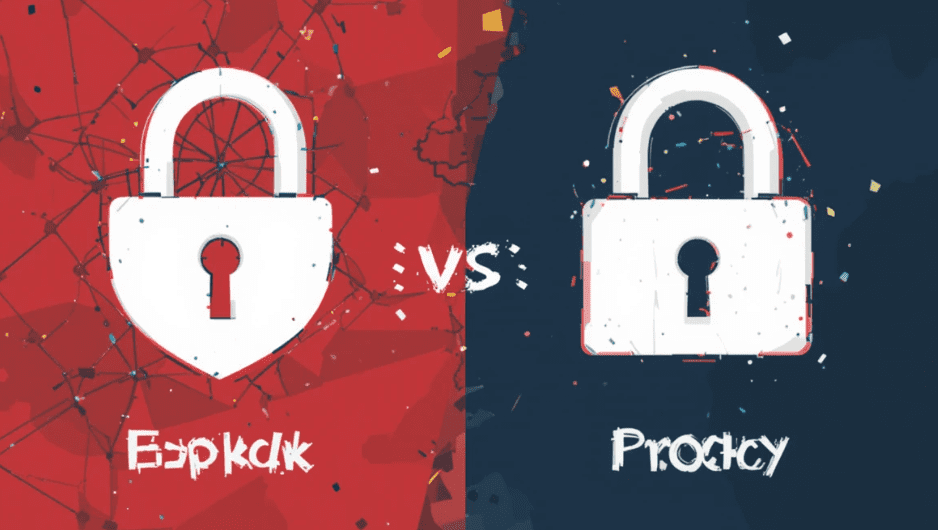
What Are VPNs and Proxies?
At the most basic level, both VPNs (Virtual Private Networks) and proxies act as intermediaries between your device and the internet. They both reroute your internet traffic through a remote server and change your IP address, helping you hide your actual location.
For instance, if you connect through a server based in Tokyo, websites will assume you’re browsing from Tokyo, allowing you to bypass geo-restrictions.
But this is where the similarities end.
VPNs: Focus on Security and Privacy
A VPN not only reroutes your traffic through a remote server but also encrypts it. This encryption is a critical difference, as it protects your data from being viewed or intercepted by:
- Your Internet Service Provider (ISP)
- Government surveillance
- Cybercriminals or hackers
Real-World Example:
Think of VPN encryption like driving through a secure tunnel. Outside observers can’t see what’s inside or where it’s headed.
So, if online security and anonymity are your top priorities—especially when using public Wi-Fi, downloading sensitive files, or accessing private business systems—a VPN is the superior choice.
Proxies: Designed for Data and Multi-Account Management
Proxies, on the other hand, are commonly used for data gathering and account management across platforms like social media and e-commerce. Unlike VPNs, most proxies do not encrypt your traffic, but they allow for multiple simultaneous connections using different IP addresses.
Use Cases for Proxies:
- Web Scraping: Gathering data from websites for market research, competitor analysis, or price tracking.
- Managing Multiple Accounts: Running several Amazon, Twitter, or Instagram accounts from a single device without getting flagged.
- Bypassing Rate Limits: Avoiding IP bans when sending a large number of web requests.
Since proxies can distribute requests through hundreds of different IPs, they’re less likely to be detected or blocked during data scraping.
VPNs Work System-Wide, Proxies Work App-Wide
- VPNs operate at the system level: Once enabled, all of your apps and browsers use the VPN connection.
- Many VPNs also offer split tunneling, allowing specific apps to bypass the VPN if needed.
- Simple setup: Install the app, log in, and connect with a click.
- Proxies operate at the application level: Only the app (e.g., Google Chrome) where you configure the proxy uses it.
- Setup is more complex. You need to manually enter proxy details into app settings or code.
- Some providers offer browser extensions to simplify usage (e.g., Smartproxy).
Speed Comparison: Are Proxies Faster Than VPNs?
Yes—proxies generally offer faster speeds than VPNs. This is because:
- VPNs encrypt your data, which slightly reduces speed.
- Proxies don’t offer that encryption overhead.
However, speed also depends on the type of proxy you use:







Types of Proxies:
- Datacenter Proxies:
- Fast and affordable
- More easily detected and blocked by websites
- Residential Proxies:
- Assigned by real ISPs to real devices
- Harder to detect and more reliable
- Slower than datacenter proxies but more authentic-looking
Ethical Considerations: Always Choose a Trusted Provider
When using proxies, especially residential proxies, it’s important to ensure that they are ethically sourced. Some shady providers route your traffic through real users’ devices without clear consent.
Recommended Option:
Smartproxy is a reputable provider that:
- Balances performance, features, and IP pool size
- Offers ethically sourced proxies
- Provides a free trial, which is rare in the proxy industry
Can You Use a VPN and Proxy Together?
While it’s technically possible to use both simultaneously, there’s rarely any benefit to doing so.
- Use a VPN if you need online privacy, encryption, or access to streaming platforms.
- Use a proxy if you’re scraping data, managing multiple accounts, or looking for faster IP cycling.
Final Verdict: VPN or Proxy?
| Feature | VPN | Proxy |
|---|---|---|
| Encryption | ✅ Yes | ❌ No (Usually) |
| Security Level | High | Low |
| Speed | Moderate | Fast |
| System-wide | ✅ Yes | ❌ No (App-specific) |
| Ease of Use | Easy | Moderate to Complex |
| Best for | Privacy, Streaming | Web Scraping, Multi-Account Management |
Conclusion
Understanding the differences between VPNs and proxies helps you choose the right tool for your needs:
- Go with a VPN if your main goal is anonymity, privacy, and secure browsing.
- Choose a proxy if you need speed, data access, or to manage multiple digital identities.
And remember, when selecting a proxy provider, reliability and ethical sourcing are non-negotiable. That’s why services like Smartproxy are highly recommended.
Tags:
VPN, Proxy, VPN vs Proxy, Web Scraping, Residential Proxy, Datacenter Proxy, VPN Comparison, Online Privacy, Smartproxy
Hashtags:
#VPN #Proxy #PrivacyTools #Smartproxy #WebScraping #VPNvsProxy #OnlineSecurity #DataPrivacy #TechGuide
Disclaimer:
Always use VPNs and proxies responsibly and ensure compliance with your local laws and the terms of service of websites you access. Web scraping and account management through proxies may violate certain platform policies, so proceed with caution.