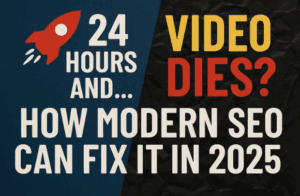
The recent AI advancements by Google, particularly the introduction of AI Overviews, have caused a wave of uncertainty in the SEO industry. Many professionals are questioning the future of search engine optimization—what will remain relevant, what will fade away, and what strategies will dominate in the coming years.
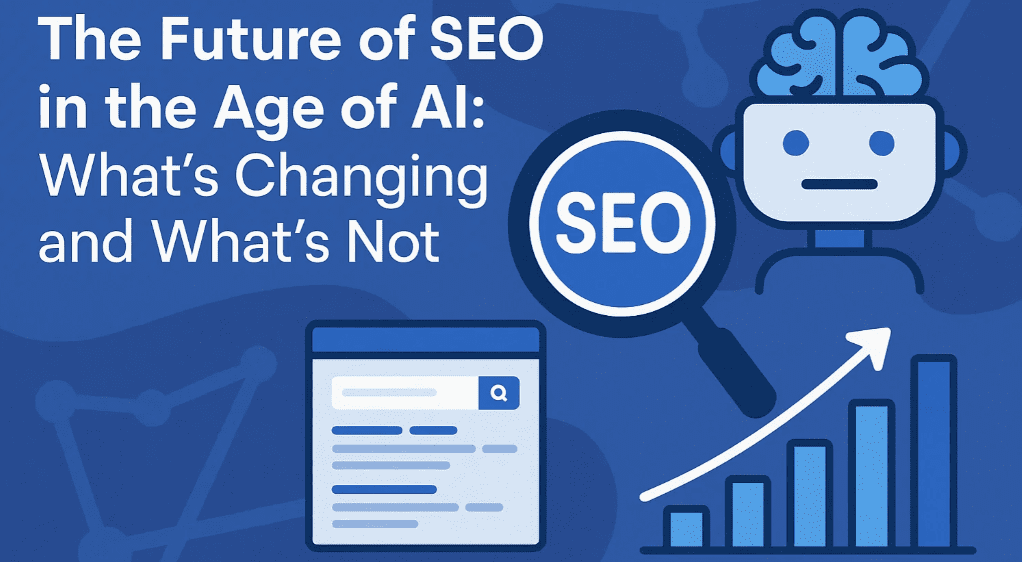
In this article, we’ll break down the key changes, discuss how SEO will evolve, and provide actionable insights to help you adapt.
How Google’s AI Changes Impact SEO
1. The Shift from SERPs to AI Answer Pages
Traditionally, Google’s search engine results pages (SERPs) displayed a list of website links. However, with AI Overviews, users now receive direct answers to their queries without needing to click through to websites.
- Before AI: Users searched → Saw multiple website links → Clicked on the most relevant one.
- After AI: Users ask a question → Google provides an AI-generated answer → Fewer clicks go to websites.
This means:
✔ Organic traffic may decline as users get answers directly from Google.
✔ SEO will focus less on informational content and more on conversion-driven pages.
2. The Death of Traditional Ranking Factors?
With AI-generated answers, some traditional SEO elements are losing importance:
a) Title Tags & Meta Descriptions
- In AI Overviews, only a few website links appear in a swipeable carousel.
- If your site isn’t in the top positions, users won’t even see your title or description.
- Solution: Optimize for direct value propositions (e.g., “Get 30% Off on Appointments”) rather than generic descriptions.
b) Backlinks
- Google’s AI can now semantically match queries to relevant sites without relying heavily on backlinks.
- Low-quality backlinks (forum links, spammy directories) will lose value.
- High-authority links (news sites, reputed brands) will still matter.
c) Informational Content
- If Google already extracts answers from existing content, new blog posts may not drive traffic.
- Focus shifts to:
- Transactional pages (product/service pages).
- Branded content (content that reinforces your authority).
How to Adapt Your SEO Strategy
1. Prioritize Conversion Over Clicks
- Instead of chasing rankings for generic keywords, optimize for high-intent searches (e.g., “Buy iPhone 15 in Delhi”).
- Use strong CTAs (e.g., “Book Now,” “Get a Free Quote”) to attract motivated buyers.
2. Invest in Branding & User Experience
- Google’s AI favors brands users already recognize.
- Ways to improve branding:
- Social media engagement
- Email marketing
- Guest posts on authoritative sites
- Enhance on-site UX to keep users engaged longer.
3. Rethink Content Strategy
- Reduce reliance on generic blog posts.
- Create in-depth, conversion-focused content (e.g., case studies, comparison guides).
- Use AI tools (like ChatGPT) for research, but ensure content aligns with user intent.
4. Focus on Semantic SEO
- Google’s AI understands context and user intent better than ever.
- Optimize for:
- Long-tail queries
- Natural language search
- Related topics (LSI keywords)
Will SEO Die? No—But It’s Evolving
SEO isn’t disappearing; it’s just changing.
✅ What’s Declining?
- Traffic from informational queries.
- Over-reliance on meta tags & backlinks.
✅ What’s Gaining Importance?
- Brand authority
- User experience (UX)
- Conversion optimization
Final Thoughts
The future of SEO lies in adapting to AI-driven search. Instead of fearing the changes, focus on:
✔ Strengthening your brand
✔ Improving user engagement
✔ Optimizing for conversions
The businesses that thrive will be those that embrace AI, not fight it.
FAQs
Q: Will AI Overviews kill SEO?
A: No, but SEO strategies must evolve. Focus on branding, UX, and conversions instead of just rankings.



Q: Should I still write blog posts?
A: Only if they support brand authority or lead generation. Generic blogs may not drive traffic.
Q: Do backlinks still matter?
A: Quality over quantity. High-authority links help, but spammy links won’t.
Q: How can I rank in AI Overviews?
A: Be a recognized brand + optimize for semantic relevance.
Tags
SEO, Google AI, AI Overviews, Search Engine Optimization, Digital Marketing, ChatGPT, Future of SEO
Hashtags
#SEO #GoogleAI #DigitalMarketing #ChatGPT #AISearch #FutureOfSEO
Need help adapting your SEO strategy? Stay ahead by focusing on what truly matters in the AI era. 🚀
(Disclaimer: This article is based on current trends and may require updates as Google’s AI evolves.)