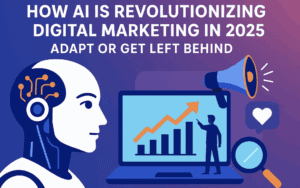
The internet as we know it is over 30 years old, and tech giants like Google (26 years old) and Microsoft have shaped its evolution. Recently, both companies made groundbreaking AI announcements that have sparked intense debates online. From developers fearing job losses to Hollywood’s potential disruption, the reactions have been extreme. But beneath the hype lies a deeper concern—the future of the open web itself.

The Big AI Players: Microsoft & Google
1. Microsoft’s AI Push
At its Build conference, Microsoft unveiled several AI-driven innovations, including:
- GitHub Copilot going open-source – A major move to democratize AI-powered coding assistance.
- AI Agents (MCP – Multi-agent Collaboration Platform) – AI that can autonomously interact with servers, websites, and apps to complete tasks.
- NL Web – A free, open-source tool that allows websites to seamlessly integrate with AI agents, eliminating the need for manual API setups.
🔗 Learn more about GitHub Copilot and Microsoft’s AI initiatives.
2. Google’s AI-First Approach
Google I/O introduced:
- AI Overviews – Direct AI-generated answers in search results, reducing the need to click on external links.
- Project Astra – An AI agent that can assist with complex tasks, blurring the line between search and action.
🔗 Explore Google’s AI updates.
The Hidden Crisis: What Happens to the Open Web?
Why the Internet Works Today
The internet thrives because millions of creators—bloggers, developers, educators, and businesses—share knowledge for free. They do this because:
- Traffic = Revenue (ads, sponsorships, affiliate marketing).
- Visibility = Growth (SEO, social sharing, referrals).
- Community = Influence (open-source contributions, forums, tutorials).
The AI Threat to Content Creators
If Google serves answers directly and Microsoft’s AI scrapes websites without driving traffic, the incentive to create high-quality content disappears. Consider:
- Developers – Why write tutorials if AI generates code instantly?
- Bloggers – Why publish in-depth guides if users never visit their site?
- Small Businesses – Why maintain a website if AI agents bypass them entirely?
The Domino Effect
- Fewer New Resources – The compounding growth of human knowledge slows.
- Centralized AI Control – A few corporations dictate what information is accessible.
- Death of Independent Media – Without traffic, niche blogs, forums, and educational sites vanish.
Is This the End of the Open Web?
Microsoft and Google claim their AI tools enhance user experience, but the unintended consequences could be catastrophic:
- No Free Lunch – If creators aren’t rewarded, they’ll stop creating.
- Echo Chambers – AI may prioritize certain sources, limiting diversity.
- Monetization Crisis – Ad-driven and affiliate-based businesses collapse.
A Historical Parallel: Net Neutrality
Years ago, Facebook’s “Free Basics” tried to offer a walled-garden internet. Public backlash forced its shutdown. Today, we face a similar battle—will AI gatekeep the web?
What Can We Do?
While there’s no easy solution, awareness is the first step:
- Support Independent Creators – Visit, share, and engage with their content.
- Demand Transparency – Push for AI models that credit and link to sources.
- Diversify Platforms – Use alternative search engines like Perplexity and Grok.
Final Thoughts
The AI revolution isn’t just about convenience—it’s about who controls information. If we don’t act, the open, democratic web we love could become a corporate-controlled wasteland.








What do you think? Will AI enhance or destroy the internet? Let’s discuss in the comments!
Tags:
AI, Artificial Intelligence, Google AI, Microsoft AI, Open Internet, Future of Web, Search Engines, Content Creation, Net Neutrality
Hashtags:
#AIRevolution #FutureOfInternet #GoogleAI #MicrosoftAI #OpenWeb #TechEthics #ContentCreators #NetNeutrality
Disclaimer: The views expressed in this article are based on current AI trends and industry shifts. The long-term impact of AI on the internet remains speculative. Always verify information from multiple sources.