Many people mistakenly believe that simply deleting files from their computer or emptying the recycle bin is enough to erase data forever. Unfortunately, that’s far from the truth. If you’re planning to sell your computer, replace your hard drive, or dispose of a device, simply deleting files the usual way does not protect your sensitive information from recovery.
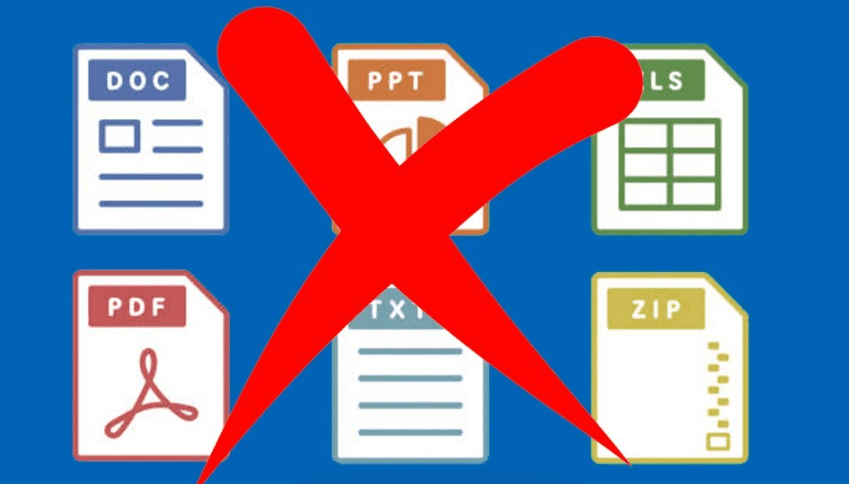
This article will walk you through the correct and secure way to delete files permanently, ensuring that they cannot be recovered by any third-party recovery software.
Why Regular Deletion Isn’t Safe
When you delete a file normally—whether by pressing Delete, using Shift + Delete, or clearing the Recycle Bin—you’re only removing the file’s pointer in the file system. The actual data remains on the drive and can be easily recovered using free or commercial recovery tools.
Example Situation:
Imagine you’re selling an old PC or upgrading to an SSD. Your hard drive might still contain:
- Bank account details
- Scanned documents like driving licenses and birth certificates
- Private photos or videos
- Business files
If these files were only deleted in the usual way, they could potentially be restored by someone else—posing serious privacy and security risks.
The Proper Way to Delete Files Permanently
To ensure your sensitive data is unrecoverable, you need to use a file shredding tool that securely overwrites the data. One such free and open-source tool is Permadelete.
Step-by-Step Guide to Use Permadelete
Step 1: Download Permadelete
Visit the official GitHub release page and download the latest .exe file (e.g., permadelete-0.6.2.exe).
Step 2: Install the Software
- Run the downloaded installer
- Accept the license agreement
- Choose to create a desktop shortcut
- Add Permadelete to the “Send To” menu for quick access
- Complete the installation by clicking Finish
Step 3: Shred Files Securely
- Launch Permadelete
- Select Shred File from the dashboard
- Locate and choose the file you want to permanently delete
- A prompt will appear asking for confirmation
- Choose the number of passes (how many times the data will be overwritten):
- 1 pass is generally sufficient
- For added security, you can choose 3, 5, 7, or 10 passes
(Higher number = stronger protection, but takes longer)
- Click on Shred
Note: Once shredded, the file will be deleted from the system and cannot be recovered—even using data recovery software.
Why Choose Permadelete?
- Free & Open Source
- User-friendly interface
- Lightweight and fast
- Multiple overwrite passes for high security
- No ads or bloatware
Whether you’re disposing of a device, selling a hard drive, or simply deleting sensitive information from your system, Permadelete ensures that your files are truly gone forever.
Tags
file deletion software, delete files permanently, secure data erasure, permadelete tool, prevent file recovery, free file shredder, sensitive data removal, overwrite hard drive data, delete files before selling PC, GitHub tools
Hashtags
#DataSecurity #FileShredder #Permadelete #DeletePermanently #CyberSafety #SecureDeletion #PrivacyTips #GitHubTools #PCPrivacy #HardDriveErase










Disclaimer
This article is for informational purposes only. Use file shredding tools cautiously, as deleted data cannot be recovered once shredded. Always double-check files before permanently deleting them, especially on shared or business systems.