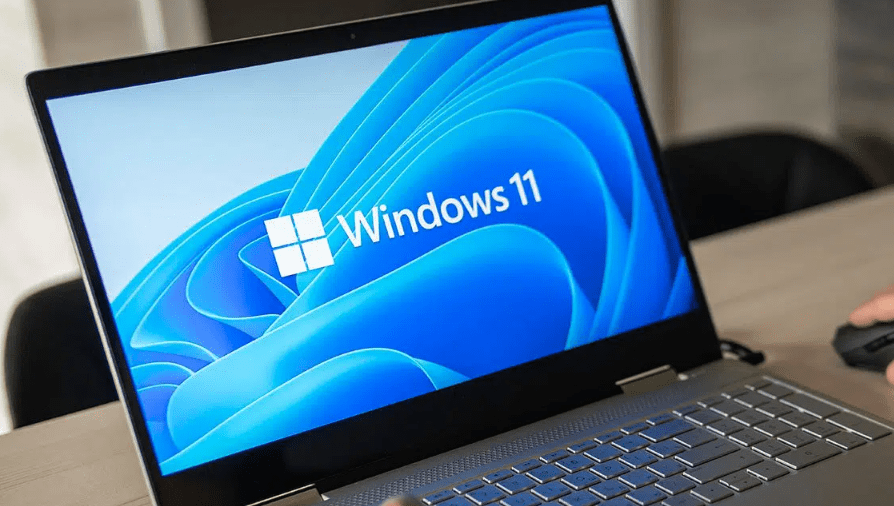
Ever wanted to open a suspicious file, test a new app, or browse risky websites without jeopardizing your main computer? Good news—there’s a secure way to do it, right from your current Windows installation. By creating a virtual machine (VM) using Hyper-V, you can install Windows 11 inside Windows 11 (yes, really!) and isolate any potential threats or experimental activities.
This method is especially useful for:
- Testing potentially harmful software or files.
- Exploring unfamiliar operating systems.
- Browsing the dark web or shady websites.
- Running multiple OS versions on one machine.
Let’s break down the process using only built-in Windows tools—no third-party software required.
🔧 What You’ll Need
- A PC running Windows 11 Pro, Enterprise, or Education (Hyper-V is not available on Home edition).
- Administrative privileges.
- A Windows 11 ISO file (from Microsoft or UUP Dump).
🛠️ Step-by-Step Guide to Installing Windows 11 in a Virtual Machine
1. Enable Hyper-V on Your PC
- Press
Win + Sand search for “Windows Features”. - Open Turn Windows features on or off.
- Check the boxes for:
- Hyper-V
- Virtual Machine Platform
- Windows Hypervisor Platform
- Click OK and let Windows install the necessary components.
- Restart your PC when prompted.
2. Open Hyper-V Manager
After the restart:
- Press
Win + Sand search for “Hyper-V Manager”. - Launch the application.
3. Download a Windows 11 ISO
You can download the latest version of Windows 11 from:
- Microsoft’s official download page
- UUP Dump for preview builds like 24H2 or 25H2
Save the ISO file in a convenient location.
🖥️ Creating a Virtual Machine for Windows 11
- In Hyper-V Manager, click New > Virtual Machine.
- Give your VM a name (e.g., “Windows 11 Sandbox”).
- Choose Generation 2 (recommended for modern Windows versions).
- Assign memory (e.g., 4 GB or more, depending on your system).
- Select Default Switch for network connection.
- Set the size for the virtual hard drive (e.g., 64 GB or more).
- Choose Install an operating system from a bootable image file, and browse to your downloaded Windows 11 ISO.
- Click Finish to create the virtual machine.
🔐 Enable TPM for Compatibility
Before starting your virtual machine:
- Right-click the VM > Settings.
- Go to Security.
- Check the option Enable Trusted Platform Module (TPM).
- Click Apply and OK.
This avoids installation errors related to hardware requirements like TPM 2.0 and Secure Boot.
🚀 Start the Virtual Machine
- Right-click the virtual machine > Connect.
- Click Start.
- The Windows 11 installer will launch in a few seconds.
Just follow the on-screen instructions to complete the installation as you would on a regular PC.
🎯 Why Use a Virtual Machine?
- Safety First: Isolated environment to test files or software.
- Experiment Freely: Try beta OS builds, old versions like Windows 7 or Vista, or even Linux.
- No Risk: If anything goes wrong, delete the VM and start fresh.
Your main system remains completely untouched.
📝 Final Thoughts
Using Hyper-V to virtualize Windows 11 within your existing Windows 11 setup offers a convenient and secure environment for testing and exploration. It’s especially helpful for developers, IT pros, or curious users who want to experiment without compromising their system.


Hyper-V may not be the most feature-rich virtualization platform out there, but it’s built into Windows, free to use, and easy to set up.
🔖 Tags
Hyper-V, virtual machine, install Windows 11, Windows sandbox, secure testing, virtualization, Microsoft Hyper-V, create VM, Windows 11 Pro, test unsafe files, run Windows inside Windows
📢 Hashtags
#Windows11 #HyperV #VirtualMachine #Cybersecurity #TechTips #WindowsSandbox #SecureComputing #MicrosoftTools #UUPDump #Virtualization
⚠️ Disclaimer
This tutorial is intended for educational and testing purposes only. Virtual machines are isolated environments, but unsafe browsing or file execution—even in a VM—can still pose risks if not properly contained. Always practice good cybersecurity hygiene and avoid downloading illegal or pirated software.