Windows 11 Home lacks one powerful tool that Windows Pro users often take for granted: the Group Policy Editor (gpedit.msc). This utility makes it easier to tweak system settings without diving deep into the Windows Registry. But what if you’re using Windows 11 Home and still want access to these advanced tools?

Good news—there’s a solution! In this guide, we’ll walk you through how to get the functionality of the Group Policy Editor on Windows 11 Home using an open-source alternative called Policy Plus.
🔍 What is Group Policy Editor?
Group Policy Editor (gpedit.msc) is a graphical interface used to configure system settings on Windows. Primarily designed for system administrators in large networks, it provides a way to enforce configurations across multiple user accounts or devices from one centralized location.
While its original purpose was network administration through Active Directory, it’s also highly valuable to individual users for tweaking deep system behaviors—without editing the registry directly.
Unfortunately, Microsoft omits this utility from the Home editions of Windows since those versions aren’t intended for domain-based environments.
🚫 The Problem with GPEdit in Windows Home
Even if you try to install gpedit.msc manually on Windows Home, you’ll often find it doesn’t work properly or shows a blank interface because it’s missing Administrative Templates (ADMX files). These templates are required to actually control and apply policies.
✅ The Solution: Use Policy Plus
Instead of forcing a patchy gpedit.msc into your system, use Policy Plus — an open-source and portable Group Policy Editor alternative that works on all Windows editions.
It mimics the original tool’s look and functionality while automatically downloading the necessary ADMX templates from Microsoft’s servers.
🧰 How to Install and Use Policy Plus in Windows Home
Follow these steps to get started:
Step 1: Download Policy Plus
- Go to the official GitHub page: Policy Plus GitHub
- Download the
PolicyPlus.exefile from the Releases section.
Step 2: Run the Application
- Double-click the downloaded
.exefile. - If prompted by User Account Control, click Yes.
📝 Note: This app is portable. You don’t need to install anything—it can even be run from a USB drive.
Step 3: Acquire Administrative Templates
Once the app opens, it may prompt you to download the ADMX templates. If not:



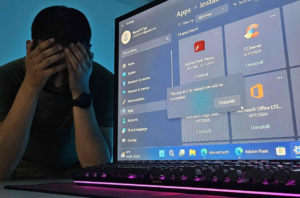


- Go to
Help→Acquire ADMX Files. - Click Begin to download the latest templates from Microsoft.
- Once complete, select Yes to load them into Policy Plus.
🔧 Example Configurations You Can Try
Here are a few practical settings you can now access using Policy Plus:
1. Hide Specific Control Panel Items
- Navigate to:
User Configuration → Administrative Templates → Control Panel - Enable “Hide specified Control Panel items” to restrict access to certain settings.
2. Show Only Specified Settings Pages
- Navigate to:
User Configuration → Administrative Templates → Control Panel - Enable “Show only specified Control Panel items” if you want extreme control.
3. Disable Recent Documents History
- Navigate to:
User Configuration → Start Menu and Taskbar - Enable “Clear history of recently opened documents on exit” or “Do not keep history of recently opened documents” for added privacy.
4. Control File Explorer Behavior
- Navigate to:
User Configuration → Administrative Templates → Windows Components → File Explorer - Useful settings:
- “Hide these specified drives in My Computer”
- “Turn off caching of thumbnail pictures”
- “Disable preview pane in File Explorer”
5. Disable Telemetry (May Not Work in Home)
- Navigate to:
Computer Configuration → Administrative Templates → Windows Components → Data Collection and Preview Builds - Set “Allow Telemetry” to 0 (Disabled).
⚠️ Disclaimer: The “Allow Telemetry” policy may not function on Windows Home editions. Microsoft limits this feature in non-Enterprise versions.
🧪 Final Notes and Limitations
- Policy Plus is open source but not frequently updated. Its last major update was in 2021, but it continues to work effectively because it fetches real-time templates from Microsoft.
- Not all policies may work on Windows Home. Some settings are exclusive to Pro, Enterprise, or Education editions.
- This tool is best for local configuration. It won’t replace Active Directory management or enterprise-level tools.
⚙️ When to Use Policy Plus vs Registry Editor
While Policy Plus simplifies many tweaks, it may not expose every hidden Windows configuration. If you’re comfortable with the Windows Registry, it’s still the most powerful tool for custom modifications.
However, for everyday usability and visual configuration, Policy Plus is perfect for Windows Home users.
🛡️ Disclaimer
Modifying system settings via Policy Plus or the Windows Registry can impact system stability if misused. Always make backups or create a restore point before applying changes. This guide is for educational purposes only.
📌 Tags
group policy editor, gpedit, windows 11 home, policy plus, windows customization, disable telemetry, file explorer tweaks, control panel restrictions, windows settings, administrative templates, privacy settings, open source tools, windows registry alternative
📢 Hashtags
#Windows11Home #GroupPolicyEditor #Gpedit #PolicyPlus #WindowsCustomization #PrivacySettings #DisableTelemetry #FileExplorer #OpenSourceTools #WindowsTweaks #TechGuide