Tired of manually installing your favorite apps after setting up Windows? This guide will show you how to embed third-party applications directly into your Windows installation media, saving you time and effort. Whether you’re setting up multiple PCs or just want a customized Windows experience, this method works for Windows 10 and 11.

Why Add Apps to Windows Setup?
✔ Save time – No need to install apps manually after setup.
✔ Consistency – Ensure all your preferred apps are pre-installed.
✔ Great for IT admins & tech enthusiasts – Ideal for deploying custom Windows images.
Tools You’ll Need
- Rufus – For creating bootable USB drives.
- Oracle VirtualBox – To create a virtual machine for customization.
- Hiren’s BootCD PE (or any Windows PE environment) – For capturing the final image.
- A USB drive (16GB+ recommended) – Larger if embedding many apps.
Step-by-Step Guide
1. Download Windows ISO
- Use Rufus to download the latest Windows 11/10 ISO:
- Open Rufus → Click “Download” → Select Windows 11/10 → Choose your language.
- Save the ISO to your computer.
2. Create a Virtual Machine (VM) for Customization
- Open VirtualBox → Click “New”.
- Name it (e.g., “Windows 11 Custom”) and select the downloaded ISO.
- Allocate at least 4GB RAM & 80GB storage (more if installing many apps).
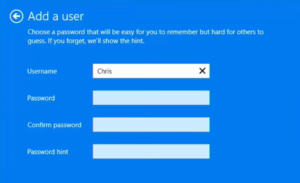
- Start the VM and install Windows normally (skip account creation).
3. Enter Audit Mode (For Customization)
- During the Out-of-Box Experience (OOBE), press Ctrl + Shift + F3.
- This reboots into Audit Mode, allowing system changes without creating a user account.
4. Install Your Apps
- Download and install all desired apps (e.g., Chrome, VLC, 7-Zip).
- You can use tools like Ninite for batch installations.
5. Sysprep the System
- Open File Explorer → Navigate to:
C:\Windows\System32\Sysprep- Run sysprep.exe → Select “Enter System Out-of-Box Experience (OOBE)”.
- Check “Generalize” (if reusing on different hardware).
- Set Shutdown option → Click OK.
6. Capture the Customized Windows Image
- Boot into Hiren’s BootCD PE (or any Windows PE environment).
- Open Command Prompt as Administrator.
- Run:
dism /capture-image /imagefile:D:\install.wim /capturedir:C:\ /name:"Custom_Windows" /compress:max- This saves the image as
install.wimon drive D: (adjust paths as needed).
7. Replace the Original install.wim on Your USB
- Mount your Windows installation USB.
- Navigate to \sources\install.wim and replace it with your custom
install.wim.
8. (Optional) Compress to ESD for Smaller Size
To save space, convert install.wim to install.esd:
dism /export-image /sourceimagefile:D:\install.wim /sourceindex:1 /destinationimagefile:C:\install.esd /compress:recovery /checkintegrity- Replace the USB’s
install.wimwith the newinstall.esd.
Testing Your Custom Windows Install
- Boot from the USB and install Windows as usual.
- All your pre-installed apps will be ready after setup!
Final Thoughts
✅ Best for: IT admins, tech enthusiasts, or anyone who frequently reinstalls Windows.
✅ Saves time – No more manual app installations.
⚠ Limitations:
- Large apps increase ISO size (may need a bigger USB).
- Some apps may require reactivation after sysprep.
Tags
Windows Customization, Windows Installation, Rufus, VirtualBox, Sysprep, DISM
Hashtags
#Windows11 #Windows10 #CustomWindows #TechGuide #ITAdmin
Disclaimer:
- Always back up data before modifying system files.
- Some apps may require reactivation after sysprep.
- Microsoft does not officially support modifying
install.wim.