Fedora is a robust and cutting-edge Linux distribution that’s widely appreciated by developers and tech enthusiasts. If you’ve just installed Fedora 33, there are a few critical steps you should take to ensure that your system is optimized, secure, and ready for day-to-day use.

This article walks you through 15 important things to do after a fresh installation of Fedora 33. Each step ensures better performance, usability, and accessibility. Let’s dive in.
1. Update Your Fedora System
Fedora often ships with the latest packages, but updates are released frequently. To ensure you’re running the latest stable software:
- Open the terminal.
- Run the following command:
sudo dnf update - Enter your password.
- Confirm the update when prompted (press
Yand thenEnter).
2. Set a Custom Hostname
The default hostname is usually localhost. Change it for better network identification:
sudo hostnamectl set-hostname fedora
Replace fedora with any name you prefer. The terminal prompt will reflect the new name.
3. Install Wine
Wine allows you to run some Windows applications on Linux.
sudo dnf install wine
Press Y to confirm installation.
4. Enable RPM Fusion Repositories
RPM Fusion provides access to free and non-free third-party software.
- Go to the RPM Fusion download page.
- Find the appropriate commands for Fedora 33.
- Run the following in the terminal:
sudo dnf install https://download1.rpmfusion.org/free/fedora/rpmfusion-free-release-33.noarch.rpm https://download1.rpmfusion.org/nonfree/fedora/rpmfusion-nonfree-release-33.noarch.rpm
5. Install VLC Media Player
VLC is a versatile media player that supports nearly every media format.
sudo dnf install vlc
Confirm the installation when prompted.
6. Install Other Desktop Environments
If GNOME isn’t your preference, install alternatives like XFCE, KDE, MATE, etc. Example:
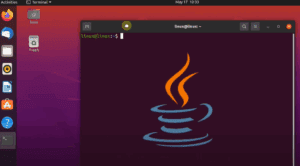








sudo dnf install @xfce-desktop-environment
You can choose the environment during login.
7. Install ZIP and RAR Utilities
These are essential for managing compressed files:
sudo dnf install unzip
You can also use the built-in Archive Manager.
8. Install Java Plugins for Web
Some websites still rely on Java-based content:
sudo dnf install icedtea-web java-openjdk
This allows you to interact with Java-powered websites and applications.
9. Install VirtualBox
VirtualBox allows you to run other operating systems virtually without altering your main setup.
sudo dnf install VirtualBox
Confirm when prompted.
10. Disable Unnecessary Search Indexing in GNOME
Indexing in GNOME can be heavy on system resources.
- Open Settings.
- Go to Search.
- Disable search for unwanted apps and categories like Contacts, Files, Calendar, etc.
This improves performance and responsiveness.
11. Enable the Fastest Mirror for Software Updates
To speed up downloads:
- Edit the DNF configuration file:
sudo nano /etc/dnf/dnf.conf
- Add the following line:
fastestmirror=1
- Save the file (Ctrl + O, then Enter), and exit (Ctrl + X).
- Clean old data:
sudo dnf clean all
12. Add Online Accounts
Fedora integrates well with services like Google, Microsoft, and Nextcloud.
- Go to Settings.
- Click Online Accounts.
- Add your preferred accounts for easier access and integration.
13. Install GNOME Tweaks
GNOME Tweaks is essential for customization and control over GNOME.
- Search for GNOME Tweaks in Software Center.
- Click Install.
14. Enable Minimize and Maximize Buttons
By default, Fedora only shows the close button on windows.
- Open GNOME Tweaks.
- Go to Window Titlebars.
- Enable both Minimize and Maximize buttons.
Now, your windows will be easier to manage.
15. Install TLP for Battery Health Management
TLP helps manage power efficiently, especially on laptops.
Install with:
sudo dnf install tlp tlp-rdw
To check battery status:
sudo tlp-stat -b
It will show you real-time battery health and status.
Final Thoughts
With these 15 steps, your Fedora 33 system should now be updated, optimized, and ready for productivity. Each action boosts usability, performance, or software support, making your Linux experience smoother and more powerful.
For more guides and tutorials like this, stay tuned to this blog!
Tags
fedora, fedora 33, fedora post install, linux, fedora linux, gnome, rpm fusion, virtualbox, gnome tweaks, linux guide, linux customization, wine, tlp, vlc, xfce, linux tools
Hashtags
#Fedora #Linux #Fedora33 #OpenSource #LinuxTips #LinuxSetup #VLC #VirtualBox #GNOME #GNOMETweaks #Wine #BatteryManagement #TLP #RPMFusion #XFCE