Buying a new smartphone often feels like an exciting upgrade — especially when stores offer “0% EMI” or “instant approval” deals. These offers promise convenience and affordability, allowing you to own a high-end phone without paying the full price upfront.
But behind this convenience lies a darker reality: hidden fees, unexpected app permissions, aggressive recovery calls, and long-term damage to your credit profile. Many buyers who think they’ve made a smart financial move later discover that their “easy EMI” purchase was actually a legal trap.
This article explains everything you need to know — how these offline EMI schemes work, what risks they carry, and how to protect yourself before signing up.
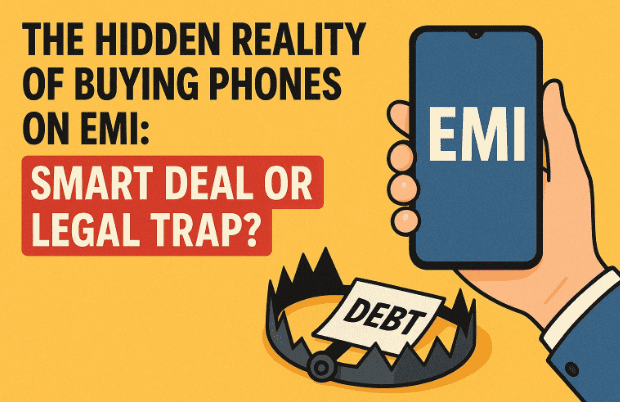
💸 Why EMI Offers Seem Attractive
In India, smartphone prices have risen sharply. A mid-range phone that once cost ₹12,000 now easily crosses ₹20,000–₹25,000. For many, paying such an amount upfront isn’t possible — and that’s where EMI offers step in.
Retailers often advertise phrases like:
- “0% interest EMI available”
- “Instant approval with Aadhaar & PAN only”
- “No credit card required”
At first glance, it sounds perfect — you pay a small down payment, sign a few documents, and walk home with a new smartphone. But what most people don’t realize is that these deals are structured like unsecured loans, often managed by third-party finance companies rather than banks.
🏪 How Offline Smartphone Financing Works
Let’s understand the typical flow of an offline EMI purchase.
When you visit a mobile shop and ask for a phone on EMI, the salesperson forwards your details — Aadhaar, PAN, and sometimes income proof — to a finance representative. These representatives may belong to companies like HDFC Finance, Bajaj Finserv, TVS Credit, or DMI Finance.
Here’s how it usually goes:
- Eligibility Check: The representative runs a background check through a financial app or portal.
- Credit History Scan: If you already have a credit card or loan record, your CIBIL score is verified.
- Approval or Rejection: If your credit score is low or nonexistent, you might get rejected by major lenders like HDFC or Bajaj.
- Alternative Offer: You’re then redirected to lesser-known NBFCs (Non-Banking Financial Companies) like DMI Finance, who claim to approve loans “instantly.”
- Down Payment: You pay a portion of the phone’s price upfront (often more than advertised).
- Loan Agreement: The rest of the amount becomes an unsecured loan, repaid through EMIs over 6–12 months.
At this stage, everything seems fine. You get the phone, EMI starts after a month — and that’s when the hidden problems begin.
🏦 Who Are These Finance Companies?
DMI Finance, HDB Financial Services, TVS Credit, and Samsung Finance+ are examples of NBFCs that collaborate with mobile brands and retailers.








Unlike banks, NBFCs do not hold customer deposits. They rely on partnerships and private lending, which makes them faster but also less regulated in some consumer protection aspects.
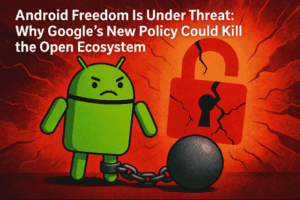
These companies install a management app (like Samsung Finance+) on your new phone before handing it over. This app is often granted Device Administrator permissions, which gives it deep control over your device — including the ability to lock it remotely if you miss payments.
📊 Understanding Credit History and CIBIL Score
Before we move further, let’s clarify one key concept — CIBIL score.
It’s a 3-digit number (usually between 300–900) that represents your creditworthiness. A score above 750 is considered healthy.
If you’ve never used a credit card or taken a loan, your CIBIL score might be “NA” or nonexistent. In such cases, many reputed finance companies won’t approve EMI loans. That’s why retailers suggest NBFCs like DMI Finance, which are more lenient but riskier.
If you default or delay payments even once, your CIBIL score can drop by 50–100 points, making future loans or credit card approvals much harder.
🔐 Hidden Catch: What “Device Admin” Really Means
When the phone is handed over to you under an EMI plan, it often comes with an app pre-installed that acts as a Device Administrator.
That means the finance company — not you — technically holds control over the phone.
They can:
- Remotely lock or disable your phone
- Track its location
- Prevent you from uninstalling their app
- Display repayment reminders directly on your screen
If you delay payment, your phone can literally stop working until you clear dues.
This might sound like a security feature for the lender, but for the user, it’s a potential privacy and control nightmare. You can’t remove or disable such apps yourself. Even resetting the phone sometimes doesn’t work unless the lender unlocks it.
📞 What Happens When You Miss an EMI
Here’s where most people face the harsh reality.
The moment your EMI due date passes — even by one day — the collection process begins. Automated calls, messages, and follow-ups start almost instantly.
For example:
- Day 1–2: Friendly reminders asking you to make payment.
- Day 3–5: Multiple calls a day from different agents.
- Day 6 onwards: Aggressive or rude tone, frequent harassment calls.
While it’s understandable that companies want repayment, the tone and frequency often cross ethical lines.
Some agents even contact references or family numbers linked to your loan application.
All this can happen even if your delay was just two or three days — creating unnecessary stress and embarrassment.
💰 Hidden Fees and Processing Charges
Even though many stores advertise “0% EMI,” the reality is far from it.
Here are common hidden charges you might face:
- Processing Fee: ₹200–₹500 or more added silently during billing.
- Inflated Down Payment: If your down payment was ₹3,900, they might round it up to ₹4,100.
- Late Payment Penalty: A single missed EMI can lead to ₹600–₹800 in penalties.
- GST on Interest: Some NBFCs add GST even on service charges.
When you calculate the total amount — down payment + EMIs + fees — the final price can exceed the actual cost of the phone by ₹1,500–₹2,000 or more.
So, a ₹17,499 phone might end up costing you nearly ₹19,000.
⚖️ Can the Company Really Seize Your Phone?
Technically, no. These are unsecured loans, meaning no physical asset is pledged as collateral. The company cannot legally take away your phone without proper notice or court authorization.
However, since your phone is controlled via a “Device Admin” app, it can be digitally locked until dues are cleared.
Some field agents may also try to visit your address for collection — which is intimidating, though not always legal unless authorized.
The real damage, however, happens invisibly — to your CIBIL score.
🧠 Impact on Your Credit Score and Mental Health
Missing even one EMI can reflect as “default” or “late payment” on your credit report.
This leads to:
- Difficulty in getting home loans or car loans later
- Rejection of new credit cards
- Lower credit limit approvals
Repairing a damaged CIBIL score takes months or even years of consistent on-time payments.
On top of this, constant recovery calls can create serious mental distress. Many buyers report feeling harassed or anxious after buying phones on such EMI plans — especially when they were unaware of the conditions.
✅ When EMI Buying Can Actually Be a Smart Choice
Not every EMI deal is bad. Under certain conditions, it can be genuinely beneficial — but only if you plan wisely.
It can be a good choice when:
- You have a steady monthly income and can manage payments easily.
- You read and understand the terms before signing.
- You’re using a recognized lender like HDFC, Bajaj Finserv, or Samsung Finance+.
- You want to start building a CIBIL score from scratch responsibly.
However, if you’re already under financial stress or uncertain about income stability, avoid such commitments.
🍏 Why iPhones Are Safer from “Device Admin” Lock
Apple devices operate under a stricter iOS security ecosystem.
Third-party apps cannot gain “Device Admin” control like they can on Android phones. This means lenders cannot lock your iPhone remotely through such apps — making it relatively safer from digital interference.
That said, even iPhones bought via EMI are still tied to loan contracts — so financial penalties still apply, even if the device isn’t locked.
🛡️ How to Protect Yourself Before Buying on EMI
Let’s move to the most important part — precautions.
If you’re planning to buy a phone on EMI, here’s how to stay safe:
- Verify the Finance Partner:
Always confirm whether the EMI is handled by a reputed NBFC or bank (like HDFC, Bajaj, or TVS Credit). - Read Terms and Conditions:
Don’t sign forms blindly. Check for hidden charges, processing fees, and lock-in clauses. - Ask About “Device Admin” Permissions:
If the app requires device control, reconsider your purchase or ask how it can be disabled later. - Check Total Cost:
Add up down payment + EMIs + fees. If it exceeds the retail price by more than 5%, it’s not worth it. - Never Delay Payments:
Even a one-day delay can trigger penalties and credit score impact. - Use Auto-Debit Carefully:
Ensure your bank balance covers EMI dates to avoid failed transactions. - Keep Records:
Save all receipts, SMS confirmations, and email proofs of payment. - Avoid Unregistered Lenders:
Only deal with NBFCs registered with the Reserve Bank of India (RBI).
You can verify this at: https://www.rbi.org.in/
❓ Frequently Asked Questions (FAQ)
Q1. Is buying a phone on EMI considered a loan?
Yes. It’s an unsecured personal loan structured as a product installment plan. Your repayment behavior is reported to credit bureaus.
Q2. Can finance companies lock my phone remotely?
Yes, if you granted them “Device Admin” rights (common with Samsung Finance+ or DMI apps). They can lock it until dues are cleared.
Q3. Is this practice legal?
Yes, but ethically questionable. You agree to these conditions while signing or verifying through OTPs.
Q4. Will missing one EMI destroy my CIBIL score?
Not destroy, but it will lower it significantly and stay visible on your record for years.
Q5. Can I remove the finance app myself?
Usually, no. These apps are protected by system permissions and can only be deactivated after full repayment.
Q6. Should I buy a phone on EMI if I don’t have a credit card?
Only if your income is stable and you understand the repayment terms. Otherwise, it’s safer to save and buy outright.
🧩 Final Thoughts
Buying a smartphone on EMI isn’t always a scam — but it’s not always smart either.
What looks like a convenient deal can easily become a financial headache if you don’t plan ahead.
Remember:
- Always read before you sign.
- Avoid unnecessary debt for luxury purchases.
- And if you must buy on EMI, ensure you’re dealing with transparent, RBI-registered institutions.
A ₹20,000 phone should not end up costing your mental peace or your financial reputation.
⚠️ Disclaimer
This article is meant for educational and awareness purposes only. It does not provide professional financial advice. Always consult a qualified financial advisor or verify details with your lender before making any loan or EMI decision.
#EMITraps #FinanceAwareness #CreditScore #SmartphoneLoans #HiddenCharges #ConsumerRights #RBIIndia #CyberSafety